

Quick answer: Why is my dog so itchy? In most cases the culprit is an allergy: flea allergy, environmental allergy (atopy), or food allergy, often with a secondary yeast or bacterial infection making it worse. Where the itch sits on the body is your best clue. Paw chewing points to environmental allergies, tail-base scratching points to fleas, and belly rashes often mean contact irritation.
Contents
- Why Is My Dog So Itchy? The Body Map Knows
- What Are the 10 Causes of an Itchy Dog?
- Dog Itchy Skin Remedies: What Actually Helps?
- Why Is My Dog Scratching a Lot at Night?
- My Dog Is Itching but Has No Fleas: What Else Is It?
- Why Is My Dog So Itchy All of a Sudden?
- When Should Itchy Skin Become a Vet Visit?
- Related Guides
- Frequently Asked Questions

Why Is My Dog So Itchy? The Body Map Knows
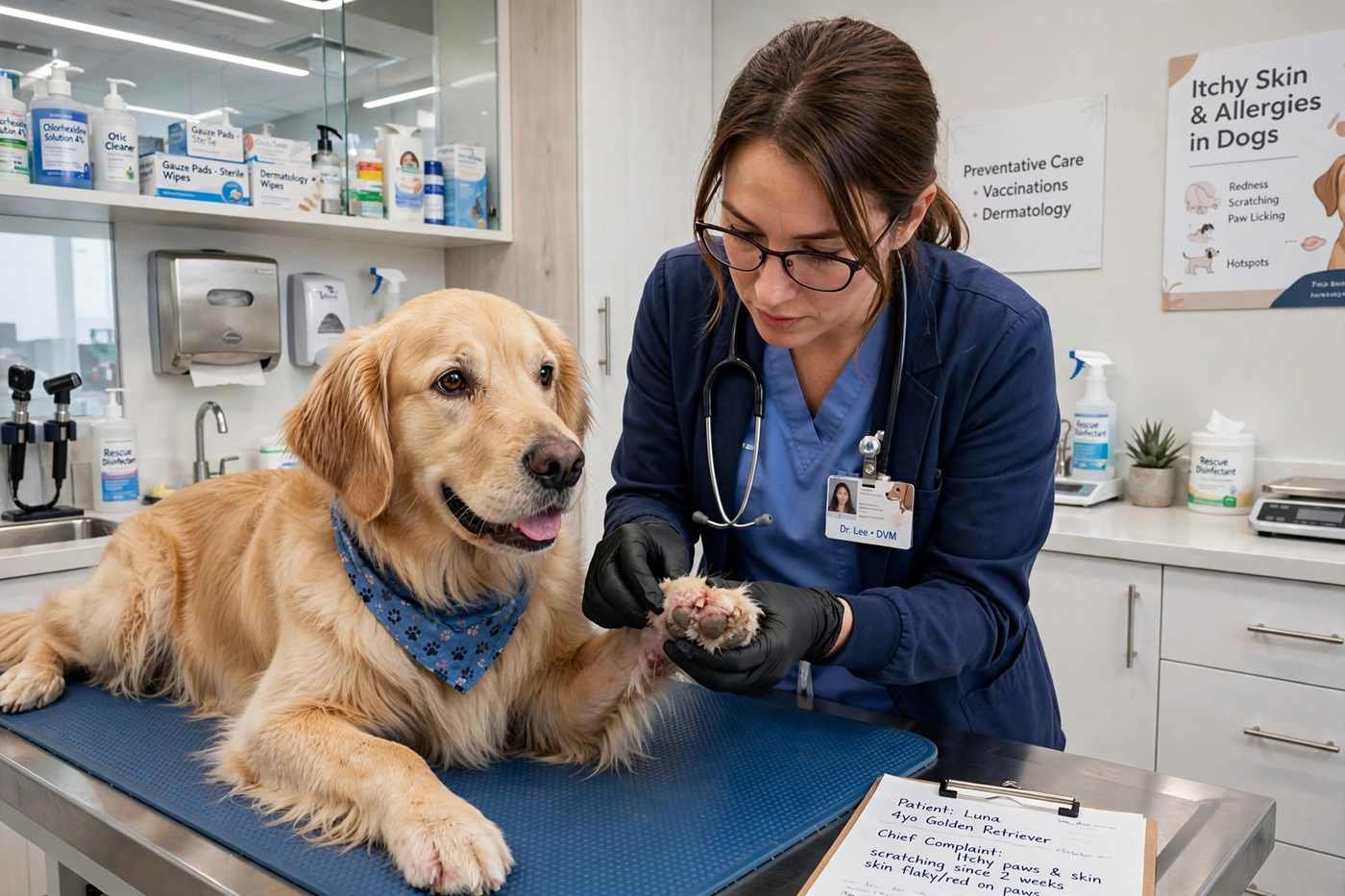
Stop guessing and start mapping. A dog’s body tells you where the problem comes from, because different causes attack different zones. Paw chewing almost always means something different from tail-base scratching. Use this itch-location table before you buy a single product.
| Where the Itch Is | Most Likely Cause | Check This First |
|---|---|---|
| Paws: chewing, licking, red between toes | Atopy (environmental allergy) | Seasonal pattern? Wipe paws after every walk for a week and watch |
| Ears: head shaking, scratching, odor | Ear infection or ear mites | Smell inside the ear; dark discharge means a vet visit |
| Belly, armpits, groin: red rash | Contact allergy or atopy | New detergent, new bedding, or fresh lawn chemicals? |
| Tail base, lower back: intense scratching | Flea allergy | Flea-comb for black specks (flea dirt), even if you see no fleas |
| Face rubbing on carpet or furniture | Atopy or food allergy | Watery eyes too? Note whether it is seasonal |
| Whole body, flaky skin, no rash | Dry skin, diet gap, or overbathing | Bath frequency, shampoo type, humidity in the home |
| Raw, wet red patches (hot spots) | Acute moist dermatitis, often infected | These spread fast; vet care, not home creams |
Write down what you find for three days: where, when, and how intense. Patterns jump out on paper that you miss in the moment. That little log also becomes the most useful thing you hand your vet, because it separates a seasonal allergy from a year-round one in seconds.
What Are the 10 Causes of an Itchy Dog?
Almost every itchy dog fits one of these ten causes. Read them in order, because the list is ranked from most to least common, and match each one against your body-map notes above.
- Flea allergy dermatitis. The number one cause. One flea bite can set off a full-body reaction in a sensitive dog, and you may never see the flea. Classic sign: furious scratching at the tail base and back legs. The allergies vs fleas debate ends here: rule out fleas first, always, with a flea comb and year-round prevention.
- Atopy (environmental allergy). Pollen, grass, dust mites, mold. The dog version of hay fever, except it shows up as skin, not sneezes. Classic sign: paw chewing and face rubbing that worsens in spring or autumn. It tends to start between ages 1 and 3 and often gets a little worse each year.
- Food allergy. Usually a protein the dog has eaten for years: beef, dairy, chicken, wheat, soy. Classic sign: itchy ears and face plus occasional soft stools, all year round with no season. The only reliable test is a strict food trial (more on that below).
- Yeast infection. A musty, corn-chip smell is the giveaway. Yeast loves warm, damp skin folds: ears, paws, armpits, groin. It is usually secondary, meaning an allergy opened the door and yeast walked through. Treat the allergy and the yeast together or the itch returns.
- Bacterial skin infection (pyoderma). Pimples, crusts, and circular scabs on the belly. Like yeast, this is usually secondary to scratching and allergies. It needs veterinary diagnosis, because the wrong shampoo or cream can feed it instead of fighting it.
- Ear infection. Dogs with floppy ears or allergies get these constantly. Head shaking and brown, smelly discharge are the signs. Ear itching often continues even after the rest of the skin calms down, so ears deserve their own check at every flare-up.
- Mites. Sarcoptic mange causes violent itching with crusty edges on ears and elbows. Demodex causes patchy hair loss that may or may not itch. A skin scraping at the vet confirms either in minutes, so do not guess.
- Dry skin and overbathing. Too-frequent baths with harsh shampoo strip the natural oils. Winter heating makes it worse. The skin looks flaky rather than red, and the whole body itches mildly. Fewer baths and the right shampoo fix this one fast.
- Hot spots. Raw, oozing, painful patches that appear overnight and double in size by morning. They start from a small itch the dog chews into a wound, then bacteria take over. Hot spots need prompt vet care: clipping, cleaning, and usually medication.
- Contact irritation. New laundry detergent on the dog bed, floor cleaner, or lawn treatment. The rash sits where the body touches the irritant: belly, paws, groin. Swap to unscented products and the pattern usually fades within two weeks.
Notice how the top five are all allergy-related or allergy-driven. That is why treating the itch without finding the trigger becomes a revolving door. Find the cause, then treat it.
Dog Itchy Skin Remedies: What Actually Helps?
Dog itchy skin remedies work only when they match the cause, so use your body map first. That said, these are the measures with real evidence behind them, grouped by what they do.
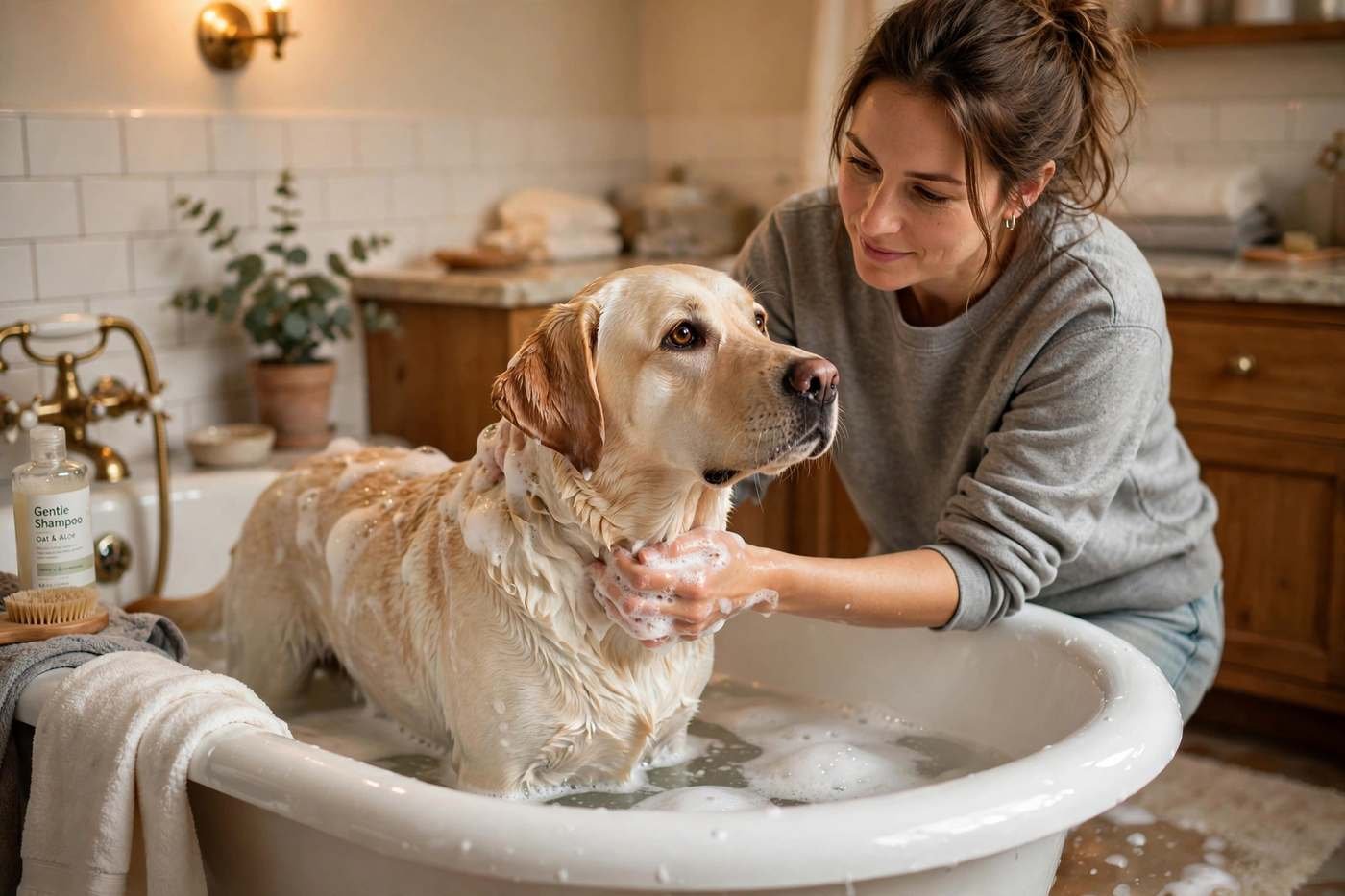
Calm the skin from the outside. An oatmeal bath is the gentlest first step. Use lukewarm water and an oatmeal shampoo made for dogs, soak 5 to 10 minutes so the ingredients can work, then rinse fully. Twice is better than once, because leftover residue itches on its own. For mild, localized itching, paw wipes after walks remove the pollen and dust the dog just collected. Wash the dog bed weekly in unscented detergent, since dust mites in bedding are a classic hidden trigger.
Feed the skin from the inside. Omega-3 for skin means EPA and DHA from fish oil, which support the skin barrier and calm inflammation. Results take 4 to 6 weeks, so this is a long game, not a quick fix. A diet with real named protein and adequate fat matters too: dull coats and flaky skin often improve when the food improves.
Run a proper food trial. If the itch never takes a season off, ask your vet about an elimination diet. That means a novel protein or hydrolyzed diet (proteins broken into tiny, less reactive pieces), fed with zero extras, for 8 to 12 weeks. No treats, no table scraps, no flavored chews. Most owners quit at week three, which is exactly why food allergies stay “mysteries.” The dogs that finish the trial get answers.
Know the vet-prescribed options. For moderate to severe allergies, vets commonly discuss two modern choices: Apoquel vs Cytopoint. Apoquel is a daily tablet that blocks itch signals; Cytopoint is an injection that lasts about 4 to 8 weeks per shot. Both are prescription-only, and the right pick depends on the dog, so this is a conversation for your vet, not a shopping decision. Older options like antihistamines help some dogs mildly and do almost nothing for others. For a solid overview of the full relief toolkit, see Chewy’s veterinary guide to stopping an itchy dog from scratching. It covers the same ground from a clinical angle, and it is worth a read.
Why Is My Dog Scratching a Lot at Night?
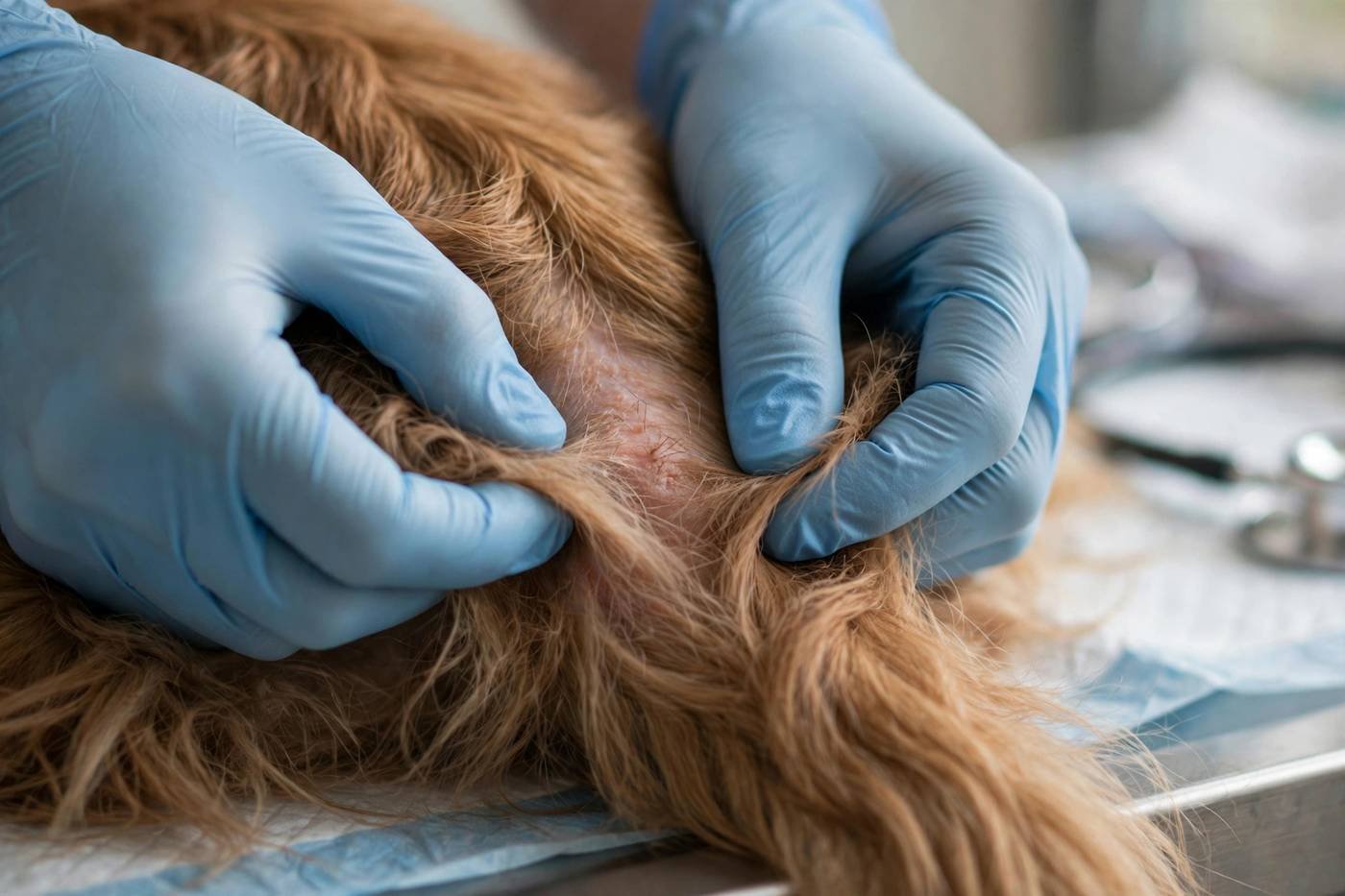
A dog scratching a lot at night is not imagining it, and neither are you. Itching genuinely feels worse after dark for three reasons. First, the house goes quiet, so every scratch sounds louder and the dog has nothing to distract it. Second, warm bedding increases blood flow to the skin, which intensifies the itch sensation. Third, dust mites live in bedding and peak in warm, humid sleeping spots.
Start with the bedroom audit. Wash the dog bed in hot water weekly and use unscented detergent. Vacuum the sleeping area, because dust mites in carpets feed the cycle. Keep the room cool rather than toasty, since heat amplifies itching. If the night scratching started suddenly, check for fleas first: flea dirt on the bedding is often easier to spot than fleas on the dog.
One more honest factor: boredom and anxiety scratch at night too. A dog that did not get enough exercise or mental work during the day will lick and chew in the evening out of restlessness. A long evening walk and a puzzle feeder before bed cut this kind of scratching noticeably within a week.
My Dog Is Itching but Has No Fleas: What Else Is It?
Dog itching with no fleas in sight is one of the most common owner frustrations. It has a simple explanation: most itch causes are not fleas. Run through the hidden culprits in this order.
- Atopy: the top non-flea cause. Paw chewing and face rubbing, worse in pollen season.
- Food allergy: year-round itch, often ears and face, no seasonal pattern.
- Yeast: musty smell, greasy skin, dark patches in folds. Secondary to allergies, almost always.
- Mites: sarcoptic mange itches violently even with zero fleas present.
- Dry indoor air: winter heating plus frequent baths equals whole-body mild itch with flakes.
- Contact irritants: new detergent, new carpet cleaner, treated lawn. Rash where skin touches the trigger.
Also remember that “no fleas” is often “no fleas seen.” Flea allergy dogs react to a single bite, and the flea may be long gone. A flea comb dragged through the tail-base fur, wiped on a damp white paper towel, reveals rust-colored flea dirt if fleas have visited recently. Trust the comb, not your eyes.
Why Is My Dog So Itchy All of a Sudden?
Why is my dog so itchy all of a sudden? Sudden itching usually means a new trigger arrived. Think about what changed: a recent bath with a new shampoo, or a new detergent on the bedding. Maybe a walk through a freshly treated lawn, a new food or treat, or the start of pollen season. Think back over the last two weeks and list what changed. New things first, because sudden problems have recent causes.
Sudden intense itching with no rash can also mean sarcoptic mange or a flea infestation taking hold. Both escalate fast and both need a vet, not a bath. And one urgent rule: if sudden itching comes with a swollen face, hives, or trouble breathing, that is an allergic emergency. Go to the vet immediately.
When Should Itchy Skin Become a Vet Visit?
Home care handles mild, stable itching. The vet takes over when any of these appear:
- Open sores, oozing, or a bad smell from the skin or ears
- Hair loss in patches, or the coat thinning visibly
- Hot spots that grow, or more than one appearing
- Itching so intense the dog cannot sleep or eat normally
- No improvement after two weeks of consistent home measures
- Ear discharge, head tilting, or crying when ears are touched
Bring your three-day itch log and a list of every food, treat, shampoo, and detergent the dog contacts. Vets diagnose faster with that information than with any single test, and it often saves you a round of trial and error.

Related Guides
- Why Is My Dog Throwing Up? 12 Causes Ranked by Urgency
- How to Clean Dog Ears at Home Safely
Frequently Asked Questions
Can I give my dog Benadryl for itching?
Many owners ask this, but antihistamines help only some dogs and barely touch severe allergies. Never dose on your own: safe products and amounts vary by dog, and some human formulations contain xylitol or other dog-unsafe ingredients. Ask your vet first, every time.
How often should I bathe an itchy dog?
For active flare-ups, a vet may suggest medicated baths two or three times a week until things settle. For maintenance, every two to four weeks with a gentle oatmeal shampoo is plenty. Overbathing strips natural oils and makes dry-skin itching worse.
Does coconut oil help dog itching?
A thin layer can moisturize dry patches temporarily, but most dogs lick it straight off, which defeats the purpose. It does nothing for allergies, yeast, or mites. Treat it as a mild moisturizer for dry skin, not an itch cure.
Why does my dog lick his paws constantly?
Constant paw licking is the classic sign of atopy, an environmental allergy. Owners asking why is my dog so itchy often get this answer. Pollen and dust collect on the paws during walks, and the dog chews them afterward. Wipe the paws after every walk, wash bedding weekly, and talk to your vet if the skin between the toes turns red or smells yeasty.
Can food really cause itching in dogs?
Yes, though it is less common than environmental allergies. Food allergies usually involve a protein the dog has eaten for a long time, and the itch never takes a season off. The only reliable test is a strict 8 to 12 week elimination diet under veterinary guidance.
How long does it take for allergy treatment to work?
It depends on the treatment. Omega-3 supplements need 4 to 6 weeks. A food trial needs 8 to 12 weeks. Prescription itch control from the vet often brings relief within a day or two. Give each approach its full timeline before judging it.
This guide is for informational purposes and doesn’t replace professional veterinary advice.