

Quick answer: Do cats bleed when in heat? No. A healthy female cat in heat does not bleed the way dogs do or the way humans menstruate. Cats reabsorb their uterine lining instead of shedding it, so visible blood during heat is not normal. If you see real bleeding, treat it as a health concern and contact your veterinarian promptly.
Contents
- Is My Cat in Heat Bleeding?
- Do Female Cats Bleed on Their Period?
- How Can You Tell If Your Cat Is in Heat?
- How Long Does a Cat’s Heat Last?
- How Do You Tell Spotting Apart From Real Bleeding?
- Is Spaying the Best Solution?
- Related Guides
- Frequently Asked Questions
Is My Cat in Heat Bleeding?
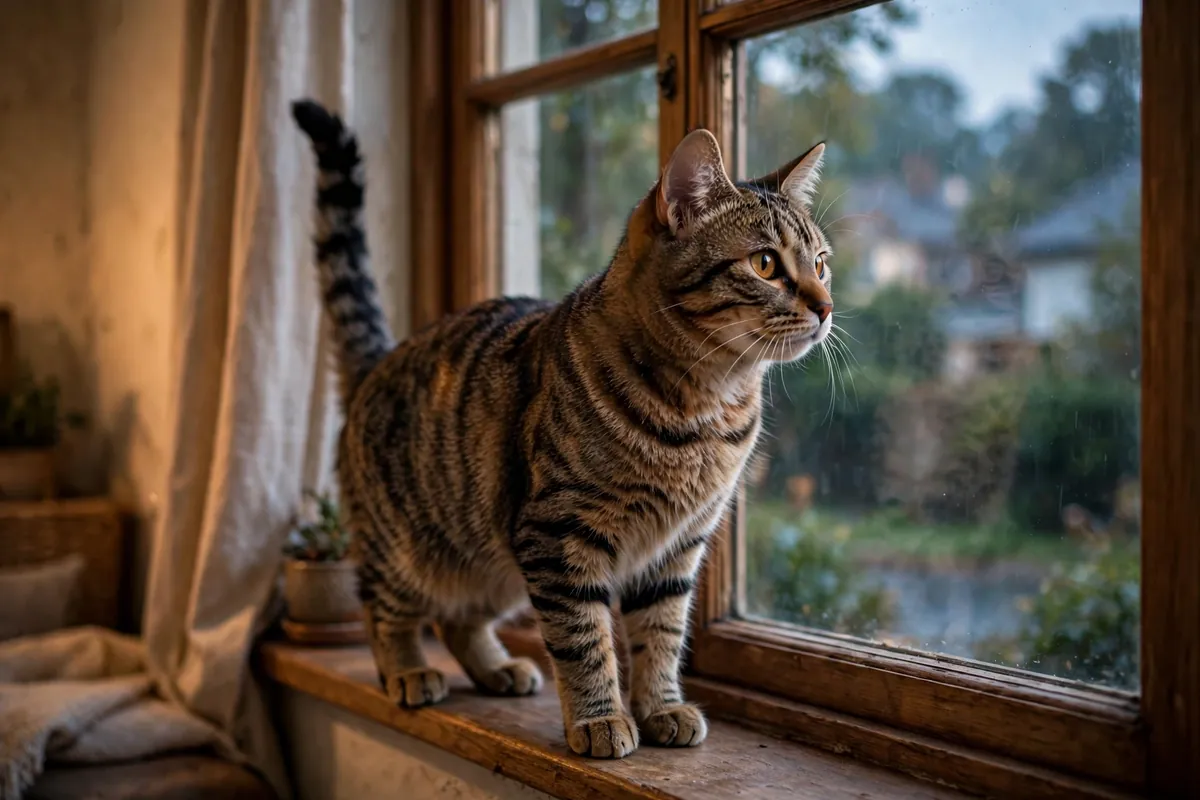
Probably not from the heat itself. True heat behavior in cats involves yowling, restlessness, rubbing, and a raised hindquarters posture, not blood. A few drops of very light spotting can occasionally appear. Anything more than a faint smear is a warning sign that deserves a veterinary visit rather than a wait and see approach.
Many owners search “do cats bleed when in heat” after spotting a pink tinge on bedding. In most cases, what looks like heat bleeding turns out to be something else entirely. The usual causes are a urinary tract infection, vaginal irritation, or a small skin wound from over grooming. The heat and the blood are usually two separate stories happening at the same time.
Do Female Cats Bleed on Their Period?
Female cats do not have periods at all. They experience heat cycles, called estrus, driven by daylight and season rather than a monthly clock. Unlike humans, cats ovulate only after mating, a process called induced ovulation. That means no monthly shedding of the uterine lining and no menstrual bleeding to expect.
This is the key difference that confuses dog owners. A female dog in heat has a visible bloody discharge for a week or more. Many people who search do cats bleed when in heat assume cats work the same way. They do not. A queen’s reproductive strategy is built around behavior, not blood. She advertises fertility with sound, scent, and posture, and her body reabsorbs the uterine lining instead of shedding it.
| Sign | Typical of heat | See a vet |
|---|---|---|
| Loud yowling, especially at night | Yes | No |
| Restlessness and pacing | Yes | No |
| Rubbing, rolling, raised hindquarters | Yes | No |
| Extra affection or clinginess | Yes | No |
| Trying to escape outdoors | Yes | No |
| Clear or whitish discharge, minimal | Sometimes | No |
| Faint pink spotting, noticed once | Rare | Watch closely |
| Visible red blood or repeated drops | No | Yes |
| Foul smelling discharge | No | Yes |
| Lethargy, not eating, straining | No | Yes |
The table above is your quick reference. Behavior changes belong to heat. Blood belongs to the vet clinic. When in doubt, call and describe exactly what you see: color, amount, and how often. That detail helps enormously.
How Can You Tell If Your Cat Is in Heat?
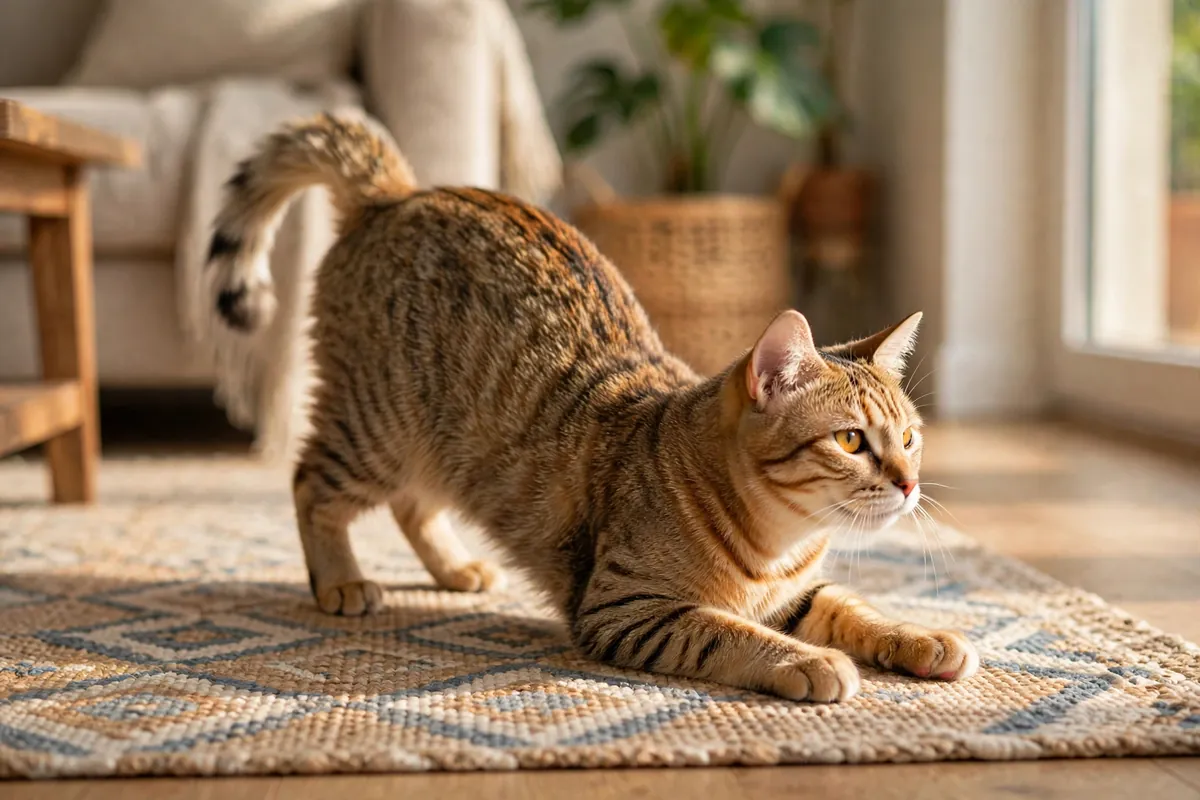
A cat in heat yowls loudly, often through the night, and becomes extra affectionate, rubbing against furniture and people. She rolls on the floor, raises her hindquarters when petted near the tail base, and may spray urine or try to dash outdoors. Her appetite often dips slightly, and she grooms her genital area more than usual.
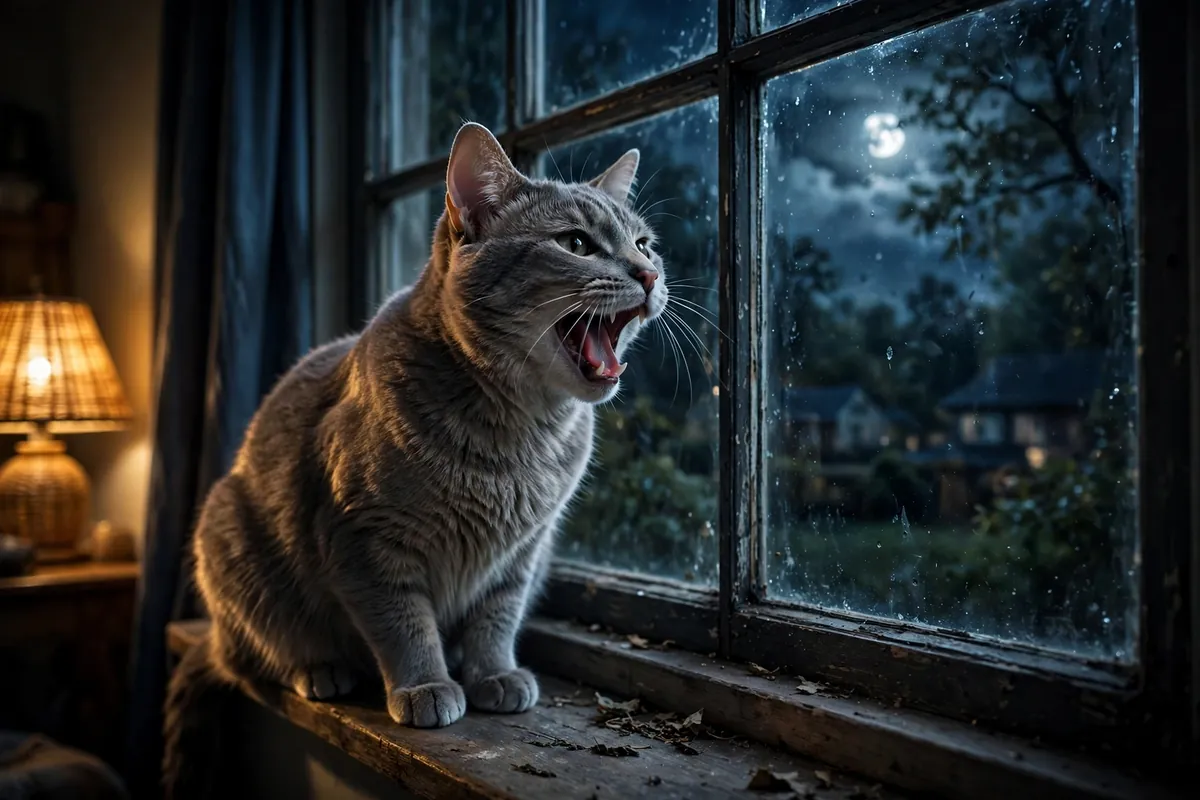
The yowling catches most owners off guard the first time. It is loud, persistent, and sounds almost like a baby crying. This is not pain and not misbehavior. It is an unspayed female advertising to every tomcat in the neighborhood, and it can go on for hours. Earplugs help you. Only spaying helps her.
Classic heat cycle signs, in the order owners usually notice them:
- Loud, repeated yowling or calling, worse at night
- Restlessness: pacing, unable to settle, following you everywhere
- Excessive rubbing against furniture, walls, and your legs
- Rolling on the floor and presenting the hindquarters
- Tail held to the side with the back end raised (the mating posture)
- Attempts to slip out open doors and windows
- Spraying small amounts of strong smelling urine
How Long Does a Cat’s Heat Last?
A single heat lasts about 4 to 10 days, with 6 to 8 days being typical. If she does not mate, she can slide back into heat every 2 to 3 weeks throughout the breeding season. That season runs from early spring to late fall. Indoor cats exposed to artificial light may keep cycling all year.
Cats are seasonally polyestrous, which is the technical term for going into heat repeatedly. Daylight length drives the cycle, so longer days mean more heats. A queen’s first heat usually arrives between 4 and 6 months of age, though larger breeds can mature later. From then on, the cycle repeats until pregnancy or spaying breaks it.
Do not wait for a heat to finish before acting. Each cycle is stressful for the cat and risky if she escapes, since a single successful mating leads to pregnancy. If you plan to spay, most clinics prefer to schedule the surgery between heats, so call while she is quiet.
How Do You Tell Spotting Apart From Real Bleeding?
Light spotting is a faint pink smear you notice once and then never again. Real bleeding means visible red blood, repeated drops, blood on bedding, or blood mixed with discharge. Occasional spotting can happen, but steady bleeding, larger amounts, or bleeding paired with lethargy means your cat needs veterinary care the same day.
When blood appears during what looks like heat, the usual culprits have nothing to do with the heat cycle itself:
- Urinary tract infection: blood in urine, frequent trips to the litter box, straining
- Vaginitis or vaginal irritation: discharge and excessive licking of the area
- Ovarian or uterine cysts: irregular bleeding unrelated to behavior
- Uterine infection: dangerous, often with foul discharge, lethargy, and unusual thirst
- Miscarriage: if she mated recently and then bleeds, a lost pregnancy may be involved
So if you landed here asking do cats bleed when in heat because you found blood, skip the guessing. Note the color and amount, keep her indoors and calm, and skip the home remedies. A quick call describing exactly what you see gets you the right advice faster than any internet search.
Is Spaying the Best Solution?
Yes. Spaying is the most reliable way to end heat cycles for good. It stops the yowling, restlessness, and escape attempts. It also prevents surprise litters and sharply lowers the risk of mammary tumors and life threatening uterine infections later in life. Most cats are back to normal within 10 to 14 days.

The surgery itself is routine: the ovaries and uterus are removed under anesthesia, usually through a small incision. Your cat comes home the same day, a little groggy, wearing a cone or recovery suit to protect the stitches. Keep her quiet for the first few days, check the incision daily, and follow the clinic’s instructions on food and activity.
Timing matters. Many clinics spay before the first heat, around 4 to 6 months, which gives the strongest protection against mammary tumors. Spaying between heats is the next best option. Surgery during an active heat is possible but bloodier, so most clinics prefer to wait a week or two after the behavior settles.
Beyond comfort, there is a safety argument. Every heat is another chance for an escape and a pregnancy. Unspayed females face real odds of a serious uterine infection that can turn fatal fast. One planned surgery removes all of it at once.
Related Guides
- Dog Heat Cycle: Stages, Signs, and Care Guide
- Ragdoll Care Guide: 7 Secrets of the Gentlest Cat
- Can Cats Drink Milk? The Lactose Truth
Frequently Asked Questions
Can a cat bleed a little during heat and still be normal?
A single faint pink smear is occasionally seen and may be nothing. It is not typical, though, which is why the do cats bleed when in heat question causes so much worry. If the spotting repeats, increases, or comes with lethargy or appetite loss, treat it as abnormal. Cats do not menstruate, so ongoing blood always warrants a veterinary check.
Why does my cat yowl so loudly at night during heat?
Nighttime yowling is how an unspayed female calls to male cats, and sound carries further in the quiet dark. It is hormonal, not behavioral, so scolding will not stop it. Extra playtime before bed may take the edge off, but only spaying ends the cycle.
At what age do cats go into heat for the first time?
Most female cats have their first heat between 4 and 6 months old. Shorthaired breeds often mature earlier than longhaired ones, and weight plays a role too. If your kitten is approaching 4 months and not yet spayed, talk to your clinic about timing.
How can I calm my cat down while she is in heat?
Keep her indoors with windows secured, offer extra play sessions to burn restless energy, and provide warm spots to rest. Some cats settle with gentle petting, though avoid the lower back, which can intensify the behavior. These are stopgaps. Spaying is the lasting fix.
Will spaying stop the heat cycles completely?
Yes. Once the ovaries are removed, the hormonal driver of heat is gone, so the cycles stop permanently. In rare cases, leftover ovarian tissue can cause continued cycling, which is fixable with follow up surgery. For the vast majority of cats, one spay ends it for good.
This guide is for informational purposes and doesn’t replace professional veterinary advice.