

Quick answer: Hypoallergenic dogs are breeds that shed very little and produce less dander, which may ease allergy symptoms. No dog is completely hypoallergenic, but these 15 low-shedding breeds are the closest match for allergy-prone households.
Contents
- What Are Hypoallergenic Dog Breeds?
- Do Truly Hypoallergenic Dog Breeds Exist?
- Which Dog Breeds Shed the Least?
- How Do You Groom a Low-Shedding Dog?
- How Do You Pick the Right Hypoallergenic Breed for Your Home?
- Related Guides
- Frequently Asked Questions
What Are Hypoallergenic Dog Breeds?
Hypoallergenic dog breeds are dogs whose coats shed very little, so they spread less dander around your home. Dander, the tiny flakes of dead skin every dog produces, is what triggers most dog allergies, not the hair itself. Dogs that don’t shed trap much of that dander inside their curly or continuously growing coats instead of scattering it on furniture.
Breeds labeled hypoallergenic usually share a few traits. Their coats grow continuously like human hair rather than cycling through seasonal sheds. Many have curly, wavy, or wiry textures that hold loose hair close to the body. And most of them need regular grooming, because a coat that does not shed on its own has to be brushed and clipped by someone.
If you love dogs but sneeze around them, these breeds are worth a serious look. They are not magic, and individual reactions vary. But for many allergy sufferers they are the difference between a dog-free home and a dog-filled one.
Do Truly Hypoallergenic Dog Breeds Exist?
No, there is no such thing as a 100 percent hypoallergenic dog. Every dog produces dander, saliva, and urine proteins, and all three can trigger allergies. Even hairless breeds shed dead skin cells. The term “hypoallergenic” means less likely to cause a reaction, not guaranteed to cause none.
That said, the breeds on this list genuinely help many people. Because they shed so little, far less dander ends up on your clothes, couch, and carpets. Spending time with the specific breed before you commit is the smartest move. Visit a breeder or rescue, handle the dog, and see how your body responds. A short visit will not give you a perfect answer, but it is far better than choosing blind.
Other habits matter just as much as breed choice. Wash your hands after handling your dog, keep the dog out of your bedroom, run a HEPA air purifier, and vacuum with a sealed HEPA vacuum. Combined with a low-shedding breed, these steps cut your allergen load dramatically.
Which Dog Breeds Shed the Least?
Here are 15 breeds known for minimal shedding, with honest notes on each one’s temperament and upkeep. Every profile tells you what the coat is like, what grooming it demands, and what kind of home suits the dog. Because the least-shedding dog in the world is still a bad fit if its energy does not match your life.
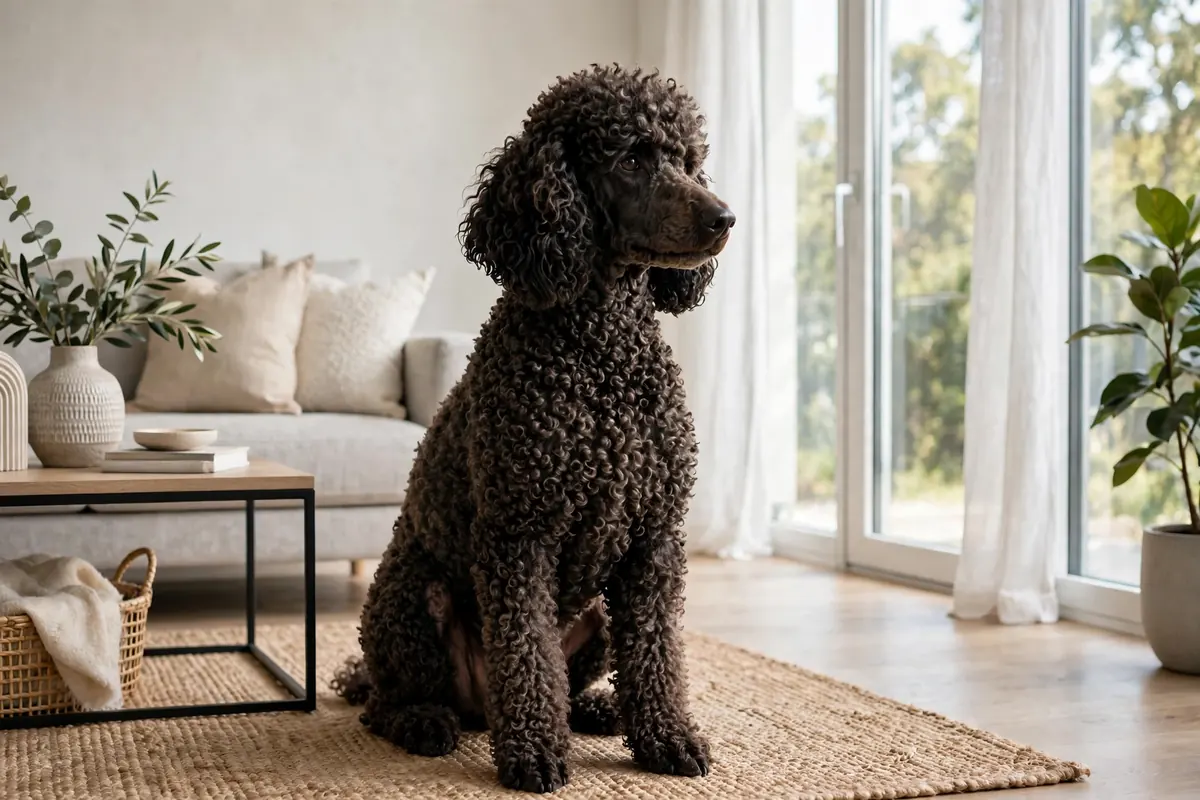
1. Poodle (Toy, Miniature, or Standard)
The poodle is the classic answer when people ask about hypoallergenic dogs, and for good reason. Its dense, curly coat sheds almost nothing, and dander stays locked in the curls until grooming day. Poodles are famously smart, trainable, and athletic, and the three size varieties mean there is a poodle for nearly every home. The trade-off is grooming: the coat needs brushing several times a week and professional clipping every 4 to 6 weeks, or it mats.
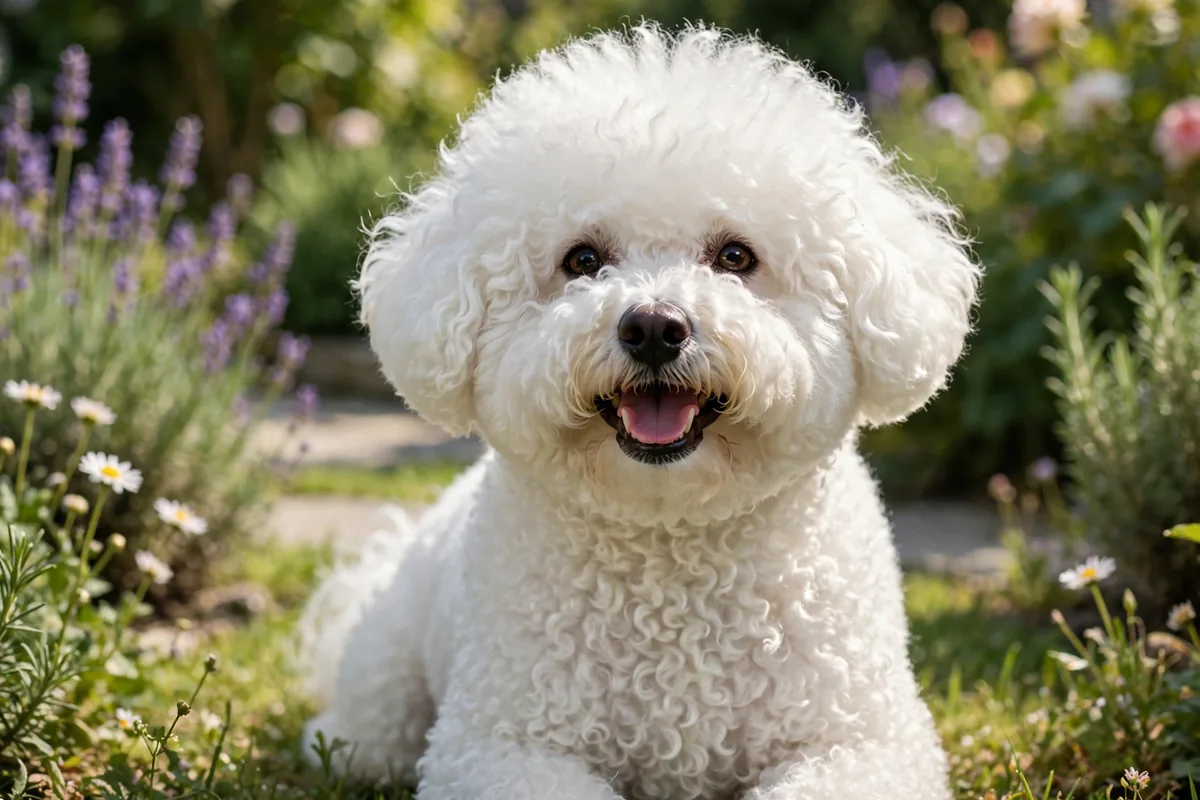
2. Bichon Frise
Bichon Frise dogs have a soft, curly double coat that sheds very little and produces minimal dander. They are cheerful, playful, and gentle, which makes them excellent family dogs for allergy-prone homes. Their coat grows continuously and needs brushing every other day plus a trim every month or two. Bichons are also known for their happy, clownish personality, so expect a companion that wants to be near you constantly.
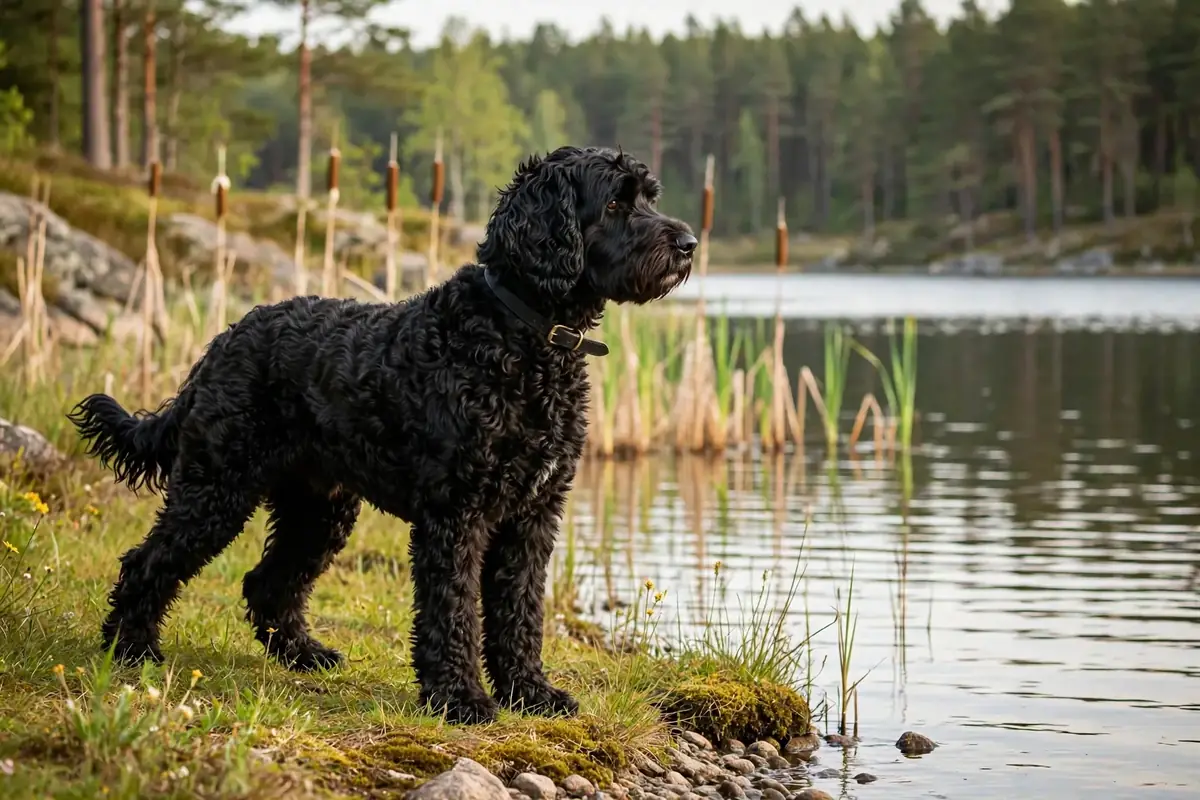
3. Portuguese Water Dog
Portuguese Water Dogs have a thick, wavy or curly coat that sheds minimally and was made for an active life around water. They are strong, intelligent working dogs that need serious exercise and training. For an active allergy sufferer, they are one of the best matches on this list. Plan on regular brushing and clipping every 6 to 8 weeks, and give them a job to do, because boredom turns this breed destructive.
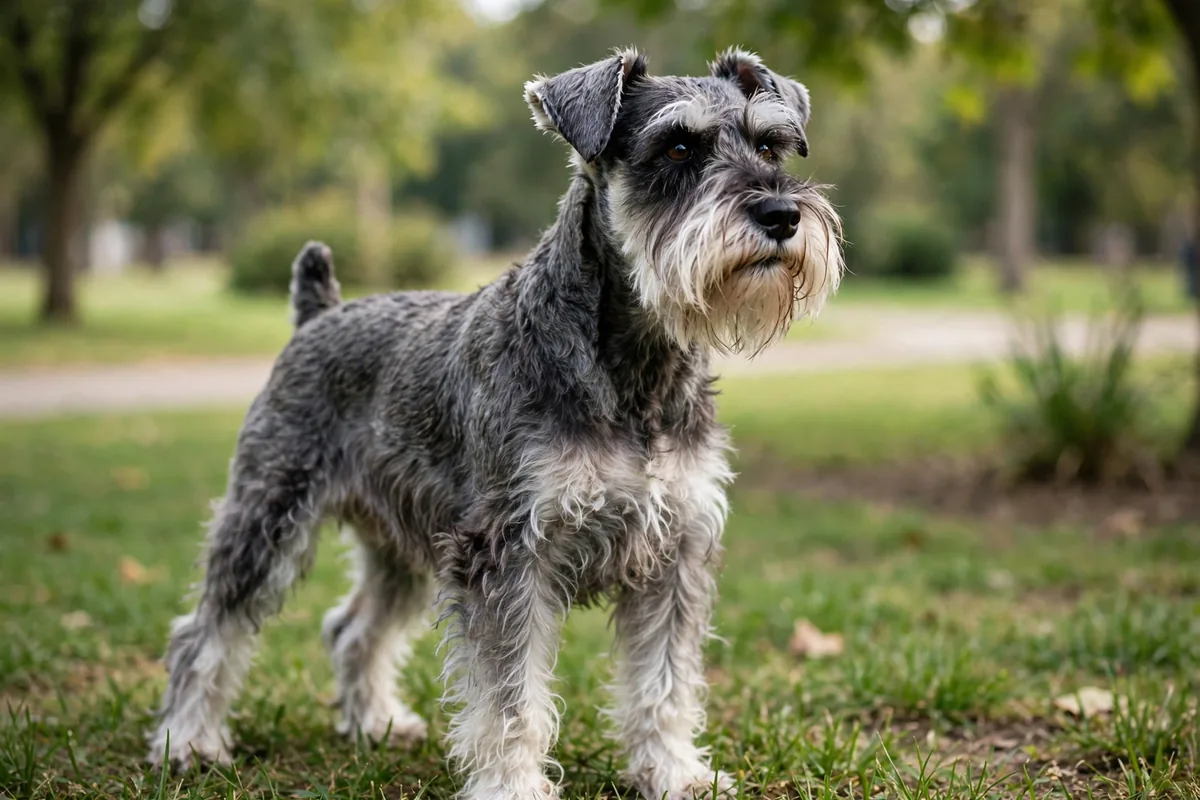
4. Miniature Schnauzer
Miniature Schnauzers wear a wiry outer coat over a soft undercoat, and with proper hand-stripping or clipping they shed very little. They are spirited, loyal, and sturdy little dogs with big personalities and modest exercise needs. Their beards need frequent wiping after meals and water, a small quirk of the breed. Regular grooming keeps the wiry texture intact and the shedding low.
5. Maltese
The Maltese has a long, silky single coat with no undercoat, which means almost no shedding. These tiny dogs are gentle, affectionate lap dogs that fit beautifully into apartments. The long coat tangles easily, so daily brushing is the price of that elegance. Many owners keep them in a short “puppy cut” for much easier maintenance while keeping the low-shedding benefit.
6. Shih Tzu
Shih Tzus grow a long, flowing coat that sheds very little, since their hair keeps growing instead of falling out. They are friendly, outgoing, and adaptable dogs that do well in small homes. Daily brushing prevents mats, and many pet owners choose a short trim. Their faces need regular cleaning around the eyes, another small grooming habit that becomes routine quickly.
7. Yorkshire Terrier
Yorkshire Terriers have fine, silky hair rather than fur, and they shed about as little as any breed can. They are bold, confident, and feisty, with far more personality than their tiny size suggests. Daily brushing keeps the coat silky, and a shorter cut makes upkeep much simpler. Do not let the small size fool you: Yorkies are real terriers with real terrier opinions.
8. Havanese
Havanese dogs have a soft, light, silky coat that sheds very little despite looking abundant. They are cheerful, trainable, and famously good with children, making them a top family pick among hypoallergenic dogs. Brushing a few times a week keeps the coat healthy. Havanese bond deeply with their people and dislike being left alone for long stretches.
9. Coton de Tulear
The Coton de Tulear has a soft, cotton-like coat that sheds minimally and feels exactly like its name suggests. Cotons are playful, bright, and adaptable dogs that thrive in apartments or houses alike. Their coat needs brushing a few times a week to prevent tangles. They are social dogs that want to be part of every family activity.
10. Soft Coated Wheaten Terrier
Soft Coated Wheaten Terriers have a silky, wavy coat that sheds very little and does not have the harsh texture of other terriers. Wheatens are joyful, exuberant dogs with a famous “Wheaten greetin” bounce when you come home. They need plenty of exercise and consistent training, plus regular brushing to prevent mats. For an active family with allergies, they are a wonderful match.
11. Kerry Blue Terrier
Kerry Blue Terriers have a soft, dense, wavy coat that sheds minimally and comes in shades of blue-gray. They are strong-willed, loyal, and athletic dogs that bond intensely with their families. Kerrys need confident training and regular grooming, including clipping every 6 to 8 weeks. They suit experienced owners who want a striking, athletic companion.
12. Basenji
The Basenji has a short, fine coat that sheds very little and needs almost no grooming beyond occasional brushing. Basenjis are famous for not barking, though they do yodel, and they groom themselves like cats. They are independent, clever, and athletic, with a strong prey drive. This is a low-maintenance coat on a high-maintenance personality, so be sure you want a Basenji, not just a low-shedding dog.
13. Xoloitzcuintli (Mexican Hairless Dog)
The Xoloitzcuintli comes in hairless and coated varieties, and the hairless type has almost nothing to shed at all. Xolos are calm, loyal, and attentive dogs, one of the oldest breeds in the world. Hairless dogs still produce dander and need skincare, including sunscreen and moisturizing, so they are not a free pass for severe allergies. But for shedding itself, few breeds beat them.
14. Chinese Crested
Chinese Cresteds also come in hairless and “powderpuff” coated versions. The hairless variety sheds almost nothing, while the powderpuff has a soft coat that sheds lightly. They are affectionate, playful, and devoted lap dogs. Like the Xolo, hairless Cresteds need skin care and sun protection. They are ideal for someone who wants a tiny, loving companion with minimal cleanup.
15. Lagotto Romagnolo
The Lagotto Romagnolo, Italy’s truffle-hunting dog, has a dense, curly, woolly coat that sheds very little. Lagottos are intelligent, affectionate, and energetic dogs that love to work and play. Their coat needs regular brushing and clipping to prevent matting. If you want a medium-sized, active, low-shedding dog with a fascinating history, the Lagotto deserves a look.
| Breed | Size | Coat Type | Shedding Level | Grooming | Energy |
|---|---|---|---|---|---|
| Poodle | Toy to Standard | Curly, dense | Minimal | High | High |
| Bichon Frise | Small | Curly, soft | Minimal | High | Moderate |
| Portuguese Water Dog | Medium | Wavy or curly | Minimal | High | High |
| Miniature Schnauzer | Small | Wiry | Low | Moderate to high | Moderate |
| Maltese | Toy | Long, silky | Minimal | High | Low to moderate |
| Shih Tzu | Small | Long, flowing | Minimal | High | Low to moderate |
| Yorkshire Terrier | Toy | Fine, silky | Minimal | High | Moderate |
| Havanese | Small | Soft, silky | Minimal | Moderate | Moderate |
| Coton de Tulear | Small | Cotton-like | Minimal | Moderate | Moderate |
| Wheaten Terrier | Medium | Silky, wavy | Low | High | High |
| Kerry Blue Terrier | Medium | Soft, wavy | Minimal | High | High |
| Basenji | Small to medium | Short, fine | Low | Low | High |
| Xoloitzcuintli | Toy to Standard | Hairless or short | None to low | Low (skincare) | Moderate |
| Chinese Crested | Toy | Hairless or soft | None to low | Low (skincare) | Moderate |
| Lagotto Romagnolo | Medium | Curly, woolly | Minimal | High | High |
How Do You Groom a Low-Shedding Dog?
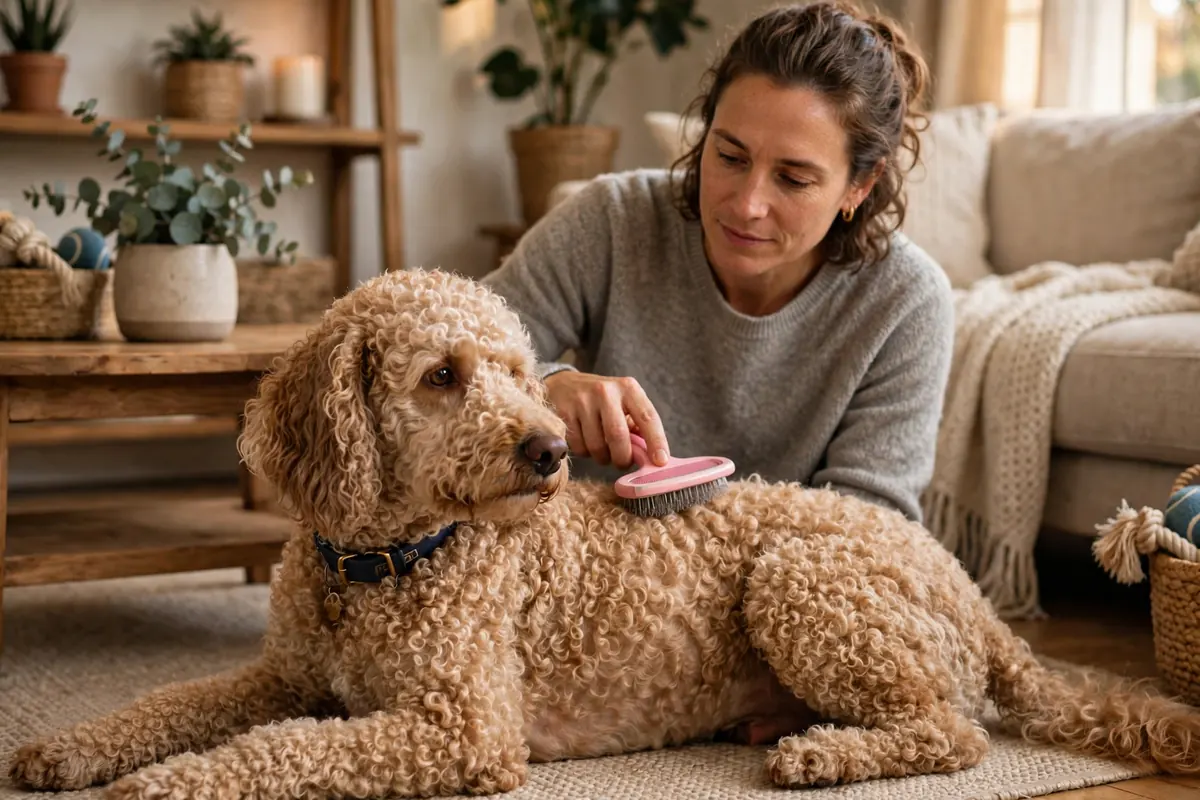
Grooming is the hidden cost of a low-shedding coat. Because the hair stays on the dog instead of falling out, it must be removed by brushing and clipping, or it mats painfully. Most breeds on this list need brushing 2 to 4 times a week and a professional trim every 4 to 8 weeks.
A few habits keep any low-shedding coat healthy. Brush in layers down to the skin, not just over the top, because mats form underneath. Bathe every 3 to 6 weeks with a gentle dog shampoo, and dry the coat completely afterward. Between grooming appointments, check ears, trim nails, and wipe tear stains on light-coated breeds. Regular grooming also removes trapped dander, which is exactly what your allergies need.
How Do You Pick the Right Hypoallergenic Breed for Your Home?
Start with your allergy severity. If reactions are mild, any breed on this list plus good housekeeping may be enough. If reactions are severe, spend extended time with the breed first, talk to your allergist, and consider a trial foster period before committing.
Next, match energy and lifestyle honestly. A Portuguese Water Dog in a small apartment with no exercise plan is a recipe for chewed furniture, no matter how allergy-friendly its coat is. A Havanese or Coton de Tulear fits a quieter home far better. Grooming budget matters too: high-maintenance coats cost real money at the groomer every month, and skipping appointments leads to painful matting.
Finally, meet individual dogs, not just breeds. Dander levels vary from dog to dog, and so does your immune system’s opinion of them. Reputable breeders and rescues will let you visit more than once. Bring home the dog you actually clicked with, not just the breed the internet recommended.
Related Guides
- What Is a Pup Cup? The Starbucks Dog Treat Explained
- Dog Heat Cycle: Stages, Signs and Care (Complete Guide)
- How Much Should I Feed My Dog? Chart by Weight and Age
Frequently Asked Questions
What is the most hypoallergenic dog breed?
No breed is completely hypoallergenic, but poodles, Bichon Frise, and Portuguese Water Dogs are consistently reported as the easiest for allergy sufferers. Their curly, low-shedding coats trap dander instead of spreading it. Individual reactions vary, so spend time with any breed before deciding.
Do hypoallergenic dogs still need grooming?
Yes, and often more than shedding breeds. Low-shedding coats grow continuously and mat without regular brushing and clipping. Most hypoallergenic breeds need brushing 2 to 4 times per week and a professional groom every 4 to 8 weeks to stay healthy and comfortable.
Can you be allergic to a hypoallergenic dog?
Yes. Dog allergies are triggered by dander, saliva, and urine proteins, and every dog produces all three. Low-shedding breeds simply spread less of these allergens around your home. People with severe allergies should consult an allergist and trial the breed before adopting.
Are Labradoodles hypoallergenic?
Not reliably. Labradoodle coats vary widely, and some shed quite a bit, especially in early generations. If low shedding matters to you, look for later-generation Labradoodles with tested curly coats. Or choose a purebred low-shedding breed from this list instead.
What is the calmest hypoallergenic dog breed?
The Maltese, Shih Tzu, and Havanese are among the calmest low-shedding breeds, making them great for apartments and quieter homes. They still need daily play and attention, but they are far less demanding than high-energy options like the Portuguese Water Dog or Wheaten Terrier.
This guide is for informational purposes and doesn’t replace professional veterinary advice.