

Quick answer: Expect to spend $1,200 to $1,800 per year on a small dog. Medium dogs run $1,500 to $2,200, and large dogs $2,000 to $3,000. The first year costs more because of adoption fees, spay or neuter surgery, core vaccines, and starter supplies. Keeping a $1,000 to $2,000 emergency buffer is what separates a manageable surprise from a financial crisis.
Adopting a dog is an emotional decision, but the bill that follows is a practical one. Too many new owners budget for food and forget the rest. The flea preventives, the dental cleaning at age six, or the $1,400 swallowed-sock surgery at 2 a.m. So how much does a dog cost per year? This guide lays out honest 2026 numbers as line items by dog size, so you can see exactly where your money goes.
Contents
- How Much Does a Dog Cost in the First Year vs Every Year After?
- How Much Does Dog Food Cost Per Month by Size?
- What Are the Typical Annual Vet Costs for a Dog?
- How Much Does Dog Grooming Cost: DIY vs Salon?
- How Much Does Pet Insurance Cost Per Month?
- What Is the Full Annual Cost Breakdown by Dog Size?
- Why Do I Need an Emergency Fund for My Dog?
- How Can I Save Money on Dog Costs Without Cutting Corners?
- Can I Afford a Dog? The Decision Checklist
- Related Guides
- Frequently Asked Questions
How Much Does a Dog Cost in the First Year vs Every Year After?
The first year is the most expensive one you will ever have, usually 40 to 60 percent higher than a normal year. A one-time stack of costs all lands in the first few months. Adoption or breeder fees ($150 to $800 from a shelter, far more from a breeder), spay or neuter surgery ($200 to $500), the full puppy vaccine series ($75 to $200), plus a crate, bed, collar, leash, and starter toys ($150 to $300). Plan on $2,000 to $4,500 for year one depending on size and source, then settle into the annual figures in the table below.
Adopting an adult dog softens this spike because vaccines and spay or neuter are often already included in the adoption fee.

How Much Does Dog Food Cost Per Month by Size?
Food is your most predictable monthly bill, and size drives it almost entirely. A small dog eating about one cup of kibble a day costs roughly $25 to $45 a month on a mid-range food. A medium dog at two to three cups lands around $40 to $70. A large dog eating four to five cups can run $60 to $110 a month, and giant breeds can push past $120. Premium or prescription diets can double any of these figures, so the brand tier you choose matters as much as the bowl size.
Do not forget training treats and dental chews, another $10 to $25 a month that most owners forget to count. Buying the largest bag you can store properly cuts the per-pound price by 10 to 20 percent, and scheduled deliveries often add a 5 percent loyalty discount.

What Are the Typical Annual Vet Costs for a Dog?
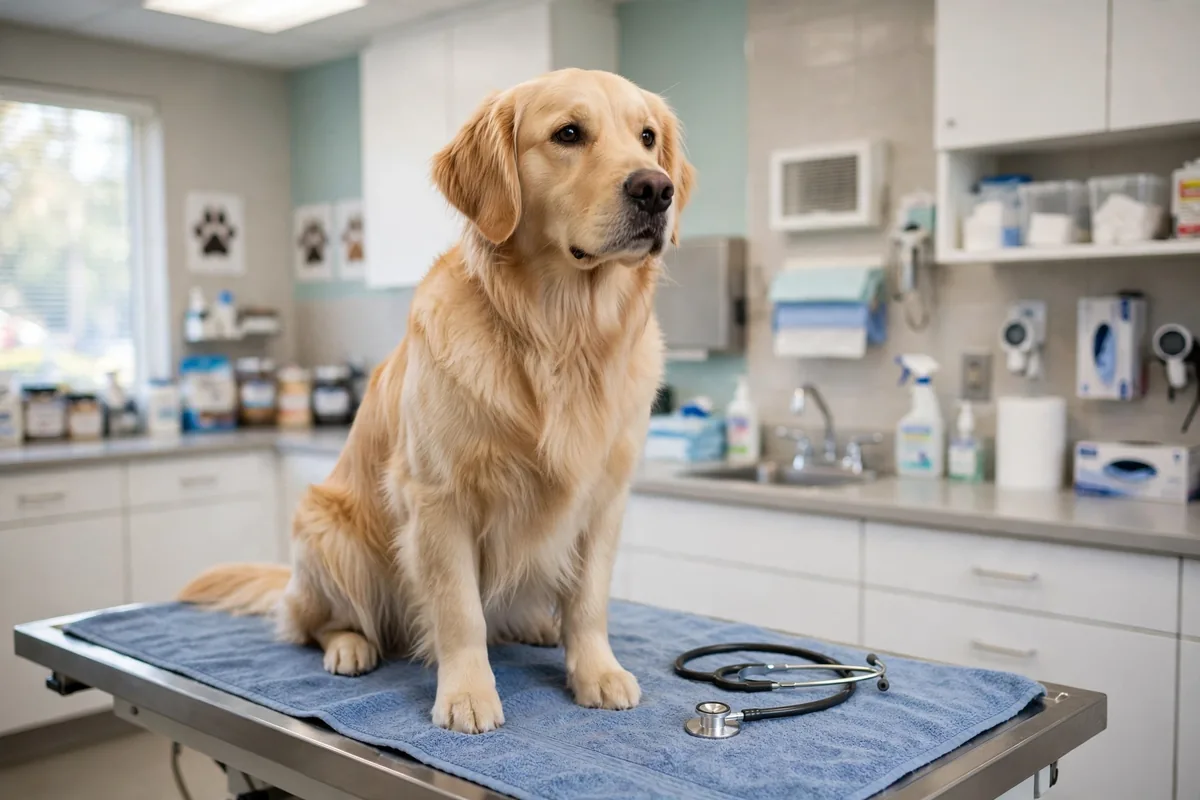
A healthy adult dog’s routine vet year costs roughly $300 to $600. That covers the annual wellness exam ($60 to $120) and core booster vaccines ($75 to $150). Add year-round flea and tick preventive ($120 to $200) plus heartworm preventive ($60 to $120). Add an annual heartworm test ($35 to $75) and a fecal test ($30 to $60). That is the core of responsible preventive care.
Costs climb with age and size. Doses scale with weight, so a large dog’s preventives cost noticeably more. Senior dogs need blood work ($100 to $250) once or twice a year. Dental cleanings ($500 to $1,200 under anesthesia) enter the picture from middle age onward. Dental disease affects most dogs by age three and is not an optional extra.
How Much Does Dog Grooming Cost: DIY vs Salon?
Grooming is where coat type, not just size, decides the bill. Short-coated breeds may need only a $30 brush and occasional baths at home, nearly zero annual cost. A poodle, doodle, or shih tzu at a salon every six to eight weeks runs $65 to $120 per visit. That is $400 to $900 a year. Nail trims alone cost $15 to $25 at a groomer or vet if you do not learn to do them at home.
The DIY middle ground saves real money. A clipper set ($40 to $80), slicker brush, dog-safe shampoo, and nail clippers pay for themselves after two skipped salon visits. Bathing and brushing at home between appointments stretches them further apart.

How Much Does Pet Insurance Cost Per Month?
Pet insurance typically costs $30 to $60 per month for a young, healthy dog on an accident-and-illness plan. That is $360 to $720 a year. Premiums rise with breed risk, your location, and the dog’s age. A large-breed puppy in an expensive city can exceed $80 a month, while an older dog of a high-risk breed can climb past $100. Most plans reimburse 70 to 90 percent of covered costs after a $250 to $1,000 annual deductible.
Insurance makes sense if a $3,000 to $7,000 emergency bill would wreck your finances. It does not cover pre-existing conditions, wellness is usually an add-on, and waiting periods apply, so read the policy before you need it. Skipping insurance means funding a dedicated savings account instead.
What Is the Full Annual Cost Breakdown by Dog Size?
So how much does a dog cost per year, all in? Here is the honest yearly picture for a healthy adult dog. It assumes mid-range food, routine preventive care, and no emergencies. Your actual total moves with your city, your dog’s coat, and the insurance decision, but these ranges hold for most owners.
| Annual line item | Small dog (under 25 lb) | Medium dog (25 to 60 lb) | Large dog (over 60 lb) |
|---|---|---|---|
| Food | $300 to $540 | $480 to $840 | $720 to $1,320 |
| Routine vet (exam + vaccines) | $200 to $350 | $200 to $350 | $250 to $400 |
| Flea, tick + heartworm preventives | $180 to $280 | $200 to $320 | $220 to $360 |
| Grooming (DIY to regular salon) | $50 to $400 | $50 to $600 | $100 to $700 |
| Toys, treats, poop bags, supplies | $150 to $300 | $150 to $300 | $200 to $400 |
| Training (one class or private session) | $0 to $250 | $0 to $300 | $0 to $400 |
| Pet insurance (optional) | $360 to $600 | $420 to $720 | $480 to $960 |
| Typical annual total | $1,200 to $1,800 | $1,500 to $2,200 | $2,000 to $3,000 |
Why Do I Need an Emergency Fund for My Dog?
Because emergencies are not rare: they are the norm over a dog’s lifetime. A swallowed sock or toy removal runs $1,000 to $3,000. A cruciate ligament repair runs $3,000 to $7,000. A single night of emergency hospitalization with imaging can pass $2,000 before treatment even starts. These bills arrive without warning and demand payment on the spot, which is why unprepared owners face the worst decision of all.
A $1,000 to $2,000 buffer in a separate savings account covers the most common emergencies or buys time while insurance claims process. Fund it before you bring the dog home, and top it back up after any use.
How Can I Save Money on Dog Costs Without Cutting Corners?
The best savings come from prevention and planning, never from skipping care. Keep vaccinations and preventives on schedule because treating heartworm costs $1,000 to $2,000 while preventing it costs a fraction. Brush your dog’s teeth or use dental chews daily to delay or avoid a $500-plus dental cleaning. Maintain a healthy weight: overweight dogs develop joint and metabolic problems years earlier, and every one of those problems has a bill attached.
Buy food and preventives in bulk or through subscriptions. Compare your vet’s prices with reputable online pharmacies for long-term medications. Learn basic grooming at home, and try free training resources before paying for private sessions. Wellness plans that bundle the annual exam, vaccines, and tests into monthly payments also smooth the cost.

Can I Afford a Dog? The Decision Checklist
Run through this checklist honestly before you commit. Can you cover the first-year total of $2,000 to $4,500 without credit card debt? Can your monthly budget absorb the ongoing $100 to $250 for your dog’s size? Do you have, or can you build within three months, a $1,000 emergency buffer? Can you afford pet insurance or the savings equivalent if that buffer gets wiped out? And can you handle the time cost too? An under-exercised dog destroys furniture and develops behavior problems that cost money to fix.
If any answer is no, wait and save, consider fostering (many rescues cover vet costs), or choose a smaller breed. A dog adopted six months later into a prepared home lives a better life than one adopted today into a stretched one.
Related Guides
- How Much Should I Feed My Dog? Chart by Weight and Age
- How to Clean Dog Ears at Home Safely
- 12 Puppy Mistakes Every New Dog Owner Makes
Frequently Asked Questions
Is $1,000 a year enough for a dog?
For a small, healthy, young dog with no insurance and DIY grooming, $1,000 can cover basics in a lower-cost area. But that is the floor, not the average: how much does a dog cost per year for most owners lands 20 to 50 percent higher once dental work or one emergency enters the picture. For most dogs it leaves no room for dental work, illness, or emergencies. Budget $1,200 to $1,500 as a realistic floor for a small dog; large dogs exceed $1,000 on food and preventives alone.
What is the most expensive part of owning a dog?
Unexpected veterinary emergencies are the biggest single expense most owners ever face, with common surgeries running $1,000 to $7,000. Among predictable costs, food is the largest annual line item for large dogs, while grooming tops the list for long-coated breeds. Insurance exists precisely because the unpredictable category dwarfs the predictable one.
Are large dogs really that much more expensive than small dogs?
Yes, roughly 50 to 70 percent more per year. Everything dosed or sized by weight costs more: food, preventives, medications, crates, and even boarding fees. Large breeds also face more expensive orthopedic surgeries and shorter lifespans, which concentrates lifetime vet spending into fewer years.
Should I get pet insurance or just save money each month?
Insurance wins when a single $4,000 emergency would wreck your finances, because no reasonable savings rate rebuilds that fast after it happens. Self-insuring works if you can genuinely set aside $75 to $100 a month into an untouched account and already have a $2,000 buffer. Most first-time owners are better protected by insurance for at least the first few years.
What hidden costs do new dog owners miss most often?
The top surprises: dental cleanings ($500 to $1,200), replacing chewed belongings in the first year, and boarding or pet-sitter fees during travel ($40 to $75 a day). Add increased rent or pet deposits, plus the training help needed when a behavior problem appears. Add 15 percent to any budget as a reality margin.
This guide is for informational purposes and doesn’t replace professional veterinary advice.