

Quick answer: The best cat hairballs remedy is prevention through grooming, not cleaning up after the fact. Brush your cat on a schedule matched to coat length, add fiber and moisture to the diet, and use a hairball paste when needed. A hairball every now and then is normal, but frequent retching with nothing coming up means a vet visit now.
Contents
- What Causes Cat Hairballs?
- The Grooming-Gut Connection: Prevention Is the Real Cat Hairballs Remedy
- How to Help a Cat With Hairball During an Episode
- Cat Vomiting Hairball: Normal or a Warning Sign?
- Related Guides
- Frequently Asked Questions

What Causes Cat Hairballs?
Cat hairball causes start with normal grooming. A cat’s tongue is covered in tiny backward-facing barbs that pull loose fur off the coat. Most of that fur travels through the digestive tract and passes in the stool. When too much accumulates in the stomach at once, it mats into a damp lump. Vets call this lump a trichobezoar, and the cat coughs it back up as a hairball.
Long hair raises the risk simply because there is more of it. A Persian can swallow several times the fur of a shorthair in one grooming session. Shedding seasons, spring and autumn, multiply the load again, since the undercoat releases in clumps the cat then licks up.
Overgrooming is the hidden multiplier. Cats groom more when something bothers them. Fleas, itchy skin, stress from a move or a new pet, boredom, even arthritis pain that makes them lick one spot raw. More grooming means more swallowed hair, and suddenly the occasional hairball becomes a weekly event. When the pattern changes, the cause is usually not the stomach. It is something driving extra licking.
The Grooming-Gut Connection: Prevention Is the Real Cat Hairballs Remedy
Think of hairballs as a plumbing problem with two inputs: the fur your cat swallows, and how well the gut moves it through. Every effective cat hairballs remedy works on one of those two inputs. Brushing reduces the fur input. Fiber, moisture, and hairball paste improve the gut’s output. Do both and the problem shrinks dramatically.
Brushing reduces hairballs more than any product on the shelf, because fur on the brush is fur that never reaches the stomach. The mistake most owners make is brushing every cat the same way. A shorthaired cat and a longhaired cat need different tools, different frequency, and different session length. Use this protocol:
| Coat Type | How Often | Best Tools | Session Length |
|---|---|---|---|
| Short hair | 2 to 3 times per week | Rubber grooming brush or soft bristle brush | 3 to 5 minutes |
| Medium hair | Every other day | Slicker brush, finish with a steel comb | 5 to 8 minutes |
| Long hair | Daily | Wide-tooth comb first, then slicker brush | 8 to 12 minutes |
Long-hair risk deserves its own note. If your cat is longhaired, daily brushing is not optional during shedding season. Work in layers: comb down to the skin first to find hidden tangles, then slicker over the top coat. Check behind the ears, under the armpits, and around the tail base, where mats form first. A matted coat makes the cat groom harder and swallow more, so mat removal is hairball prevention too. If mats are tight to the skin, let a professional groomer handle them rather than pulling.
For cats that hate the brush, build up slowly. Start with thirty seconds and a treat, then add time over a week or two. Most cats accept a rubber brush first because it feels like petting. A grooming wipe after brushing lifts the last loose hairs from the coat surface.

How to Help a Cat With Hairball During an Episode
When your cat is already hacking, the goal is to help the hair move through the gut instead of coming back up. Start with a hairball paste: a malt or petroleum-based lubricant gel made for cats. Squeeze a ribbon about an inch long onto your finger or the cat’s paw and let them lick it off. The paste coats swallowed hair so it slides through the intestines. Follow the package directions, and check with your vet first if your cat has any health condition.
Pumpkin fiber is the gentlest daily fix. Mix one to two teaspoons of plain canned pumpkin (not pumpkin pie filling) into wet food once a day. The soluble fiber adds bulk that helps move hair through the digestive tract. Some cats eat it plain; most need it hidden in food. A hairball-formula cat food works on the same principle, with extra fiber built into the recipe. It is worth discussing with your vet for chronic cases.
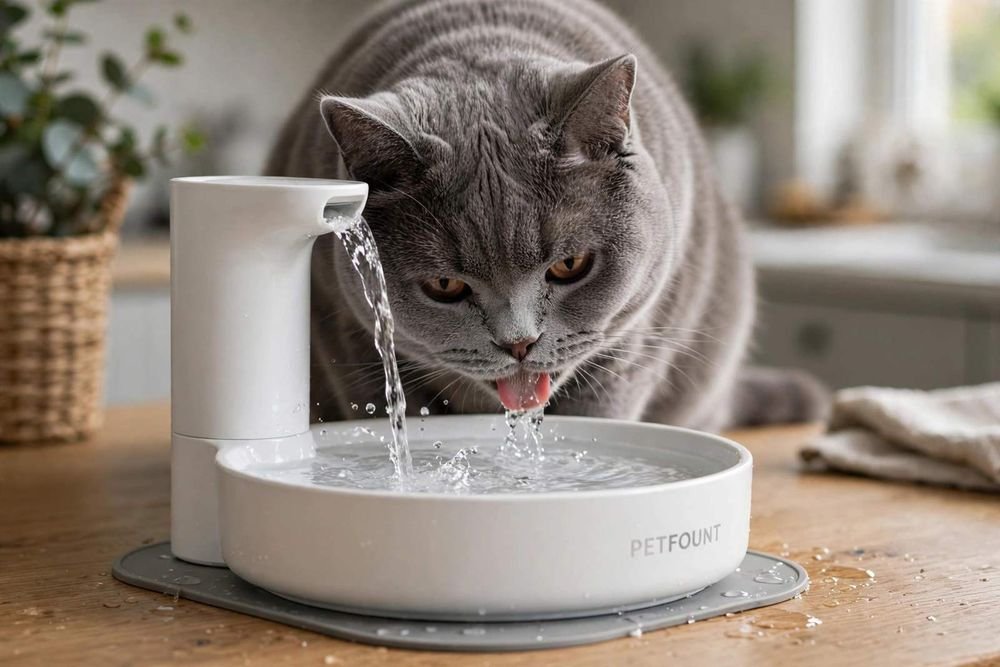
Hydration is the part owners forget. Wet food is about 75 percent water compared to roughly 10 percent in dry kibble, and that moisture keeps everything in the gut moving. If your cat eats mostly dry food, add a wet meal or two each week. Wash the water bowl daily and place it away from the food bowl, since many cats prefer drinking away from where they eat. A pet water fountain often tempts reluctant drinkers because cats are drawn to moving water.
Do not reach for home lubricants like butter or cooking oil without asking your vet. Small amounts of plain petroleum jelly are used in many commercial hairball pastes. Dosing matters, and aspiration (jelly entering the airways) is a real risk, so products made specifically for cats are the safer choice.

Cat Vomiting Hairball: Normal or a Warning Sign?
A cat vomiting hairball now and then is normal grooming fallout, especially for longhaired cats in shedding season. One hairball every few weeks, with a bright and hungry cat afterward, is no cause for alarm. The trouble starts when the pattern shifts. Use this guide:
| What You See | What It Usually Means | Action |
|---|---|---|
| Hairball every few weeks, cat fine after | Normal grooming fallout | Keep up brushing and fiber |
| Sudden increase in frequency | Overgrooming trigger or seasonal shed | Check for fleas, stress, skin issues; step up brushing |
| Repeated retching with nothing produced | Possible blockage | Vet now |
| Vomiting without hair, appetite drop, lethargy | Possible illness behind the symptom | Vet same day |
| Constipation, straining, swollen belly | Possible intestinal blockage | Vet now, this is urgent |
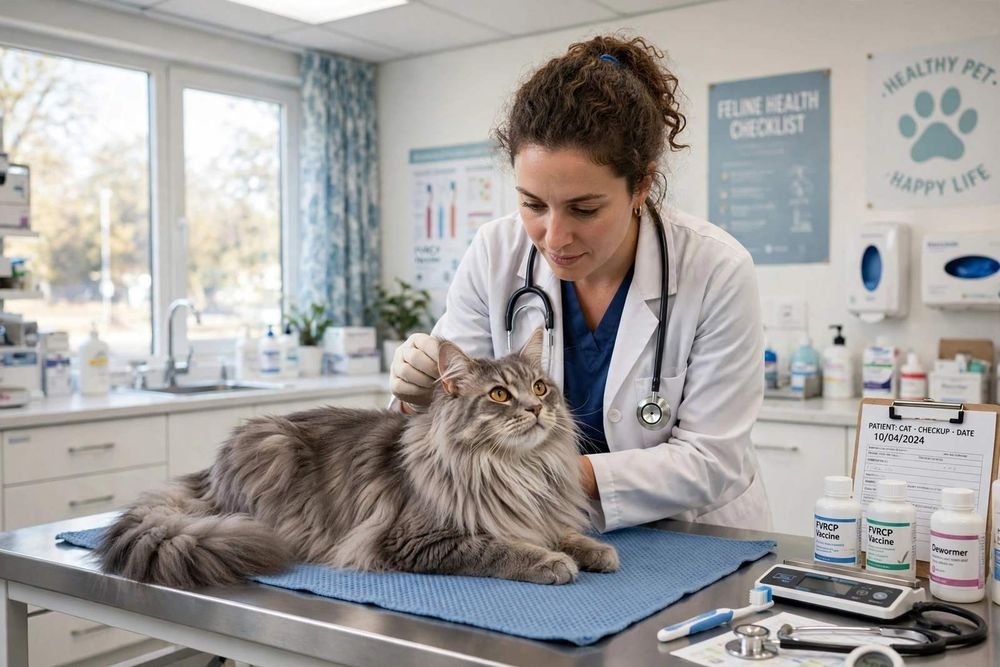
The frequent retching warning is the one to memorize. A cat that gags again and again with nothing coming up may have a hairball lodged in the stomach or intestines. A blockage can turn dangerous quickly and sometimes needs surgery, so this is not a wait-and-see situation. The same urgency applies to a cat that stops eating, becomes sluggish, strains in the litter box, or develops a swollen abdomen.
One more trap: repeated vomiting gets blamed on hairballs when the real problem is something else. Inflammatory bowel disease, food sensitivities, and other gut conditions can hide behind the hairball excuse. If your cat vomits often and hair is not always present, the vomiting deserves its own vet workup rather than another tube of paste.
Keep a simple hairball diary for a month: the date, whether anything else seemed off, and any change in appetite or energy. Patterns jump out on paper that you would miss day to day, and the log gives your vet a head start.
Related Guides
- Fleas on Cats: Treatment and Home Cleanup Protocol
- Why Is My Cat Throwing Up? 10 Causes Ranked
- Best Brushes for Long-Haired Cats
Frequently Asked Questions
How often is it normal for a cat to vomit hairballs?
For most cats, a hairball every few weeks is normal, and longhaired cats may produce one or two a month during shedding season. What matters more than the number is the pattern: a sudden increase, or vomiting without any hair, deserves a vet conversation.
Does hairball paste really work?
Yes, for its intended job. Hairball paste lubricates swallowed hair so it passes through the intestines instead of collecting in the stomach. As a cat hairballs remedy, it works best alongside brushing and fiber, not as a replacement for them. Use it per the package directions.
Can I give my cat pumpkin for hairballs?
Yes. Mix one to two teaspoons of plain canned pumpkin into wet food daily. It adds gentle fiber that helps move hair through the gut. Use plain pumpkin only, never pumpkin pie filling, which contains sugar and spices.
Why does my cat retch but nothing comes up?
Repeated dry retching can mean a hairball is stuck in the stomach or intestines, which can become a blockage. If it happens more than once or twice, or comes with appetite loss or lethargy, see your vet promptly rather than waiting.
Do indoor cats get more hairballs than outdoor cats?
Not necessarily from being indoors, but indoor cats groom more out of boredom and stress, which raises hair intake. Regular play sessions, scratching posts, and window perches cut boredom grooming. The brushing protocol matters the same either way.
Should I shave my longhaired cat to stop hairballs?
Only as a last resort and preferably by a professional groomer. Daily brushing plus fiber and hydration controls hairballs for most longhaired cats. Clipping helps cats with severe matting, but a shaved coat needs sun and temperature protection.
This guide is for informational purposes and doesn’t replace professional veterinary advice.