

Introduction
How to groom a cat is something every cat owner needs to know not just for appearances, but for their cat’s health, comfort, and quality of life.
Cats are natural self-groomers, but that instinct only goes so far. There are areas they simply cannot reach. Mats form silently behind the ears and under the arms. Nails grow past a safe length. Hairballs accumulate until they become a real health risk. Without regular help from you, these everyday issues turn into painful, expensive problems that could have been prevented in minutes.
Grooming a cat at home is far more achievable than most people expect. You do not need professional training or a salon full of equipment. What you need is a clear routine, the right brush for your cat’s coat type, and enough consistency that your cat learns grooming is safe and comfortable.
In this guide you will learn exactly how to groom a cat step by step, which tools work best for short-haired and long-haired cats, how often grooming should happen, what professional cat grooming costs across the USA in 2026, and the warning signs that tell you your cat needs attention right now. Whether you have a relaxed indoor tabby or a high-maintenance long-haired Persian, everything you need starts here.
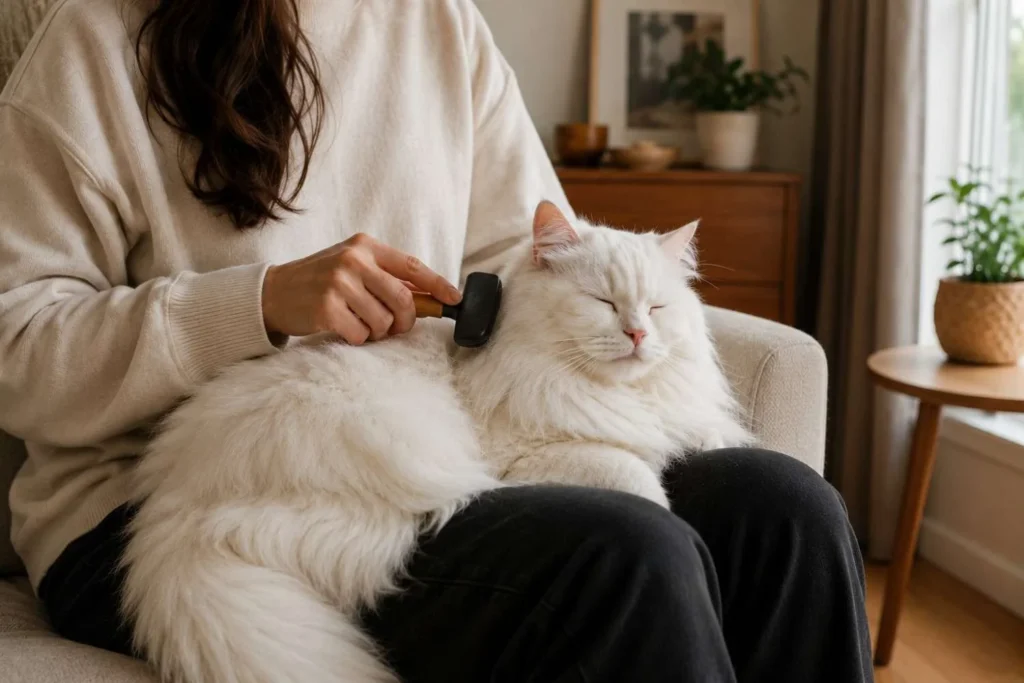
Table of Contents
- Why Cat Grooming Matters More Than You Think
- How to Groom a Cat at Home: Step-by-Step
- Best Brushes and Tools for Every Coat Type
- How Often Should You Groom a Cat?
- How Much Does It Cost to Groom a Cat?
- Long Hair vs. Short Hair Cat Grooming
- Signs Your Cat Needs Grooming Right Now
- How to Become a Cat Groomer
- Conclusion
- FAQ: People Also Ask
Why Cat Grooming Matters More Than You Think
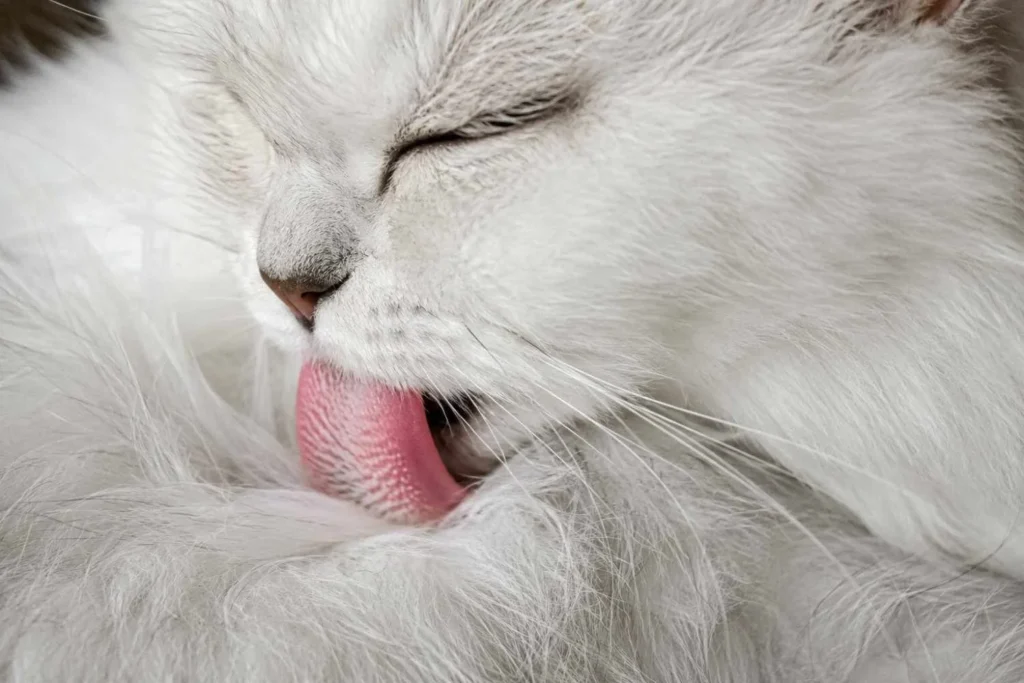
Cat grooming is the regular practice of cleaning, brushing, trimming, and maintaining your cat’s coat, nails, ears, and teeth to support their physical health and emotional wellbeing.
Cats groom themselves instinctively veterinary studies show cats can spend up to 50% of their waking hours self-cleaning. So why do cats groom themselves so obsessively? The behavior regulates body temperature, spreads natural skin oils, and removes loose fur. It also has a calming, stress-reducing effect.
However, self-grooming has clear limits. Cats swallow loose hair during grooming, which accumulates into hairballs. Older cats, overweight cats, and cats with arthritis often cannot reach certain areas. Long-haired breeds develop painful mats that pull the skin and trap moisture.
What Happens If You Don’t Groom a Cat
Skipping regular grooming leads to real health problems:
- Matted fur presses against the skin, causing irritation, skin infections, and pain. In severe cases, mats restrict blood circulation and require professional removal under sedation.
- Excessive hairballs can cause dangerous intestinal blockages requiring surgery.
- Overgrown nails curl back into the paw pads, causing infections and mobility problems.
- Ear wax buildup creates conditions for ear mites and bacterial infections.
- Tartar buildup from poor dental hygiene leads to painful periodontal disease. Veterinary research shows that roughly 70% of cats over the age of three have some degree of dental disease making tooth care one of the most neglected areas of cat grooming.
Regular grooming is not a luxury, it is preventive healthcare.
How Do Cats Groom Themselves (And Why It Is Not Enough)
Cats use their barbed tongues to detangle fur and distribute skin oils. The tongue’s backward-facing papillae act like a natural comb, pulling out dead hair and debris. Despite this remarkable biology, no cat can groom every inch of its body. The base of the tail, behind the ears, the underside of the belly, and the collar area are common trouble spots that owners must address.
How to Groom a Cat at Home: Step-by-Step
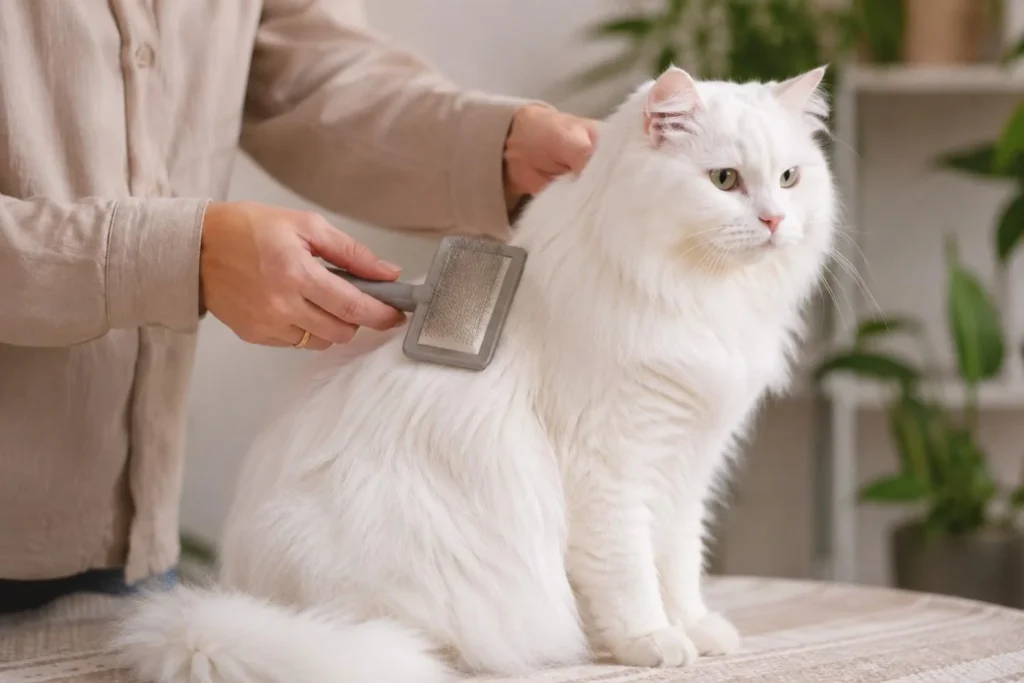
Grooming a cat at home is entirely achievable even for first-timers if you follow the right sequence, use the right tools, and move at your cat’s pace. Here is a complete, step-by-step approach to grooming cats properly without stress.
Step 1: Create a Calm Environment
Before picking up a single brush, set the stage. Choose a quiet room where your cat feels safe. Place a non-slip mat on a table or counter to prevent sliding. Schedule grooming sessions after playtime, when your cat is naturally relaxed and tired. Keep sessions short at first five to ten minutes and gradually increase the duration as your cat becomes comfortable.
Pro tip: Pair grooming with a high-value treat your cat only gets during sessions. This builds a positive association faster than any other method.
Step 2: Start with a Full Body Check
Before brushing, run your hands gently over your cat’s entire body. You are checking for lumps, bumps, cuts, fleas, flea dirt, ticks, swollen areas, or patches of hair loss. This quick body scan is one of the most valuable habits a cat owner can build. Many owners discover early-stage skin conditions, parasites, or tumors during routine grooming that they would have otherwise missed for months.
Step 3: Brush the Coat
Brushing is the core of any home grooming routine. Use a cat-specific brush never a human hairbrush and work in the direction of hair growth. Start at the head and move toward the tail, then brush the belly and legs last, since most cats are more sensitive there.
For short-haired cats, a fine-toothed metal comb or rubber curry brush works best. For long-haired cats, begin with a wide-toothed comb to work out tangles before following up with a slicker brush.
Never force a brush through a mat. Instead, hold the mat at its base (close to the skin) and gently work it apart from the tip inward using your fingers or a mat splitter. If the mat is tight against the skin, do not cut it with scissors the risk of cutting the skin is high. Take the cat to a professional groomer.
Step 4: Clean the Ears
Cat ears should be pale pink, odor-free, and clean. Use a vet-approved ear cleaner and a cotton ball to gently wipe the outer ear canal. Never insert anything into the ear canal itself. Signs of a problem include dark discharge, strong odor, redness, or your cat pawing at their ears.
Step 5: Trim the Nails
Most cats need nail trims every two to three weeks. Using sharp, cat-specific clippers dull blades crush the nail instead of cutting cleanly, which is painful.
Hold your cat in your lap facing away from you. Press gently on a toe to extend the claw. Look for the pink “quick” blood vessel inside the nail. Clip only the clear, curved tip, leaving at least two millimeters of space between the cut and the quick. If you accidentally clip the quick, apply styptic powder or cornstarch immediately to stop the bleeding.
Step 6: Wipe the Eyes and Face
Use a separate damp cotton ball for each eye to gently wipe away any discharge. Flat-faced breeds like Persians and Exotic Shorthairs accumulate discharge in their facial folds daily and need this done every one to two days.
Step 7: Brush the Teeth
Dental disease is the most commonly overlooked part of cat grooming at home. Use a cat-specific toothbrush and enzymatic toothpaste (never human toothpaste, which contains xylitol toxic to cats). Aim for daily brushing, though brushing three times per week still delivers meaningful protection against tartar buildup and gum disease.
Step 8: Bathe Only When Necessary
Most cats do not need regular baths. However, bathing becomes necessary when a cat gets into something toxic, develops a flea infestation, or has a skin condition requiring medicated shampoo. Use lukewarm water and a shampoo specifically formulated for cats. Wet the coat thoroughly (avoiding the face), lather quickly, rinse completely, and wrap the cat in a warm towel immediately.
Best Brushes and Tools for Every Coat Type
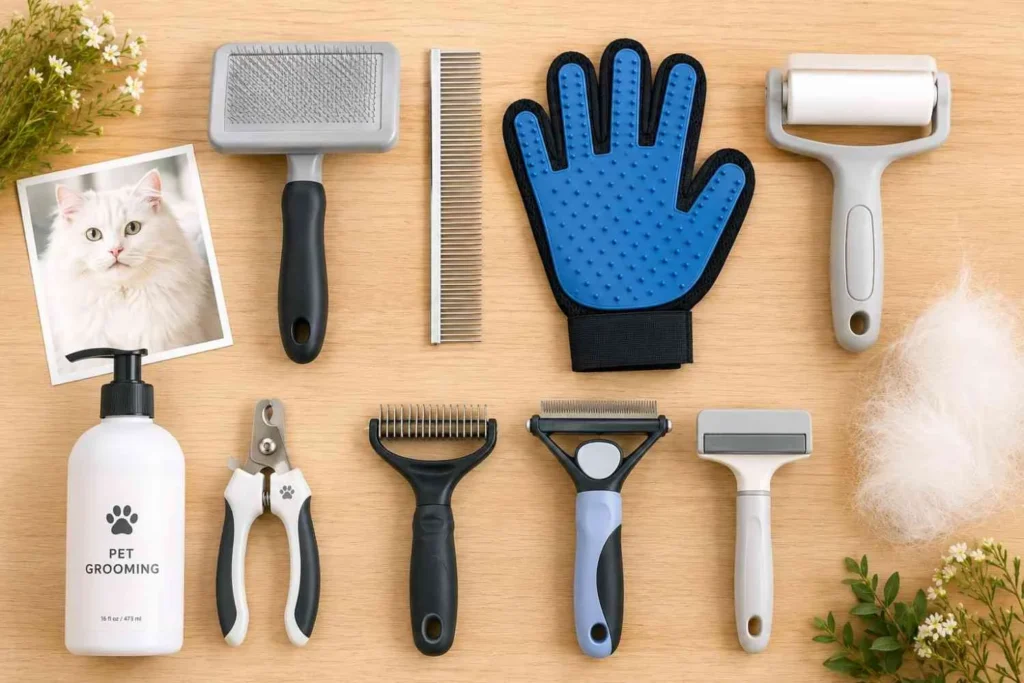
Choosing the right cat brush makes grooming faster, more effective, and far more comfortable for your cat. Using the wrong tool like a stiff wire brush on a sensitive short-haired cat can cause pain and create a lasting negative association with grooming.
Cat Brush Comparison Table
| Tool | Best For | Key Benefit | Avoid If |
| Slicker Brush | Long-haired, medium coats | Removes mats and loose fur | Cat has very thin/sensitive skin |
| Rubber Curry Brush | Short-haired cats | Stimulates skin, removes shed fur | Coat is longer than 2 inches |
| Dematting Comb | Matted long hair | Safely cuts through knots | Mat is tight against skin |
| Fine-Toothed Comb | All coat types | Detects fleas and flea dirt | N/A — universally useful |
| Furminator / Deshedding Tool | Heavy shedders | Reaches undercoat | Used too frequently (can irritate skin) |
| Grooming Glove | Cats who hate brushes | Mimics petting | Heavy shedders or long coats |
Should You Shave a Cat?
Shaving cats is a controversial topic among veterinary professionals. A cat’s coat provides insulation in both summer and winter, plus protection from sunburn and external abrasions. Most vets advise against shaving a healthy cat’s coat for aesthetic reasons.
However, using a cat shaver tool is sometimes medically necessary: when mats are too severe to brush out, when a cat has a skin condition requiring direct access to the skin, or when an elderly or ill cat can no longer self-groom effectively.
If you choose to shave a cat at home with clippers, use a cordless cat shaver specifically designed for pets (never human razors or hair clippers). Work slowly in the direction of hair growth, use a guard to maintain at least a half-inch of coat, and stop immediately if the cat becomes distressed.
What is the Best Way to Take Care of a Cat?
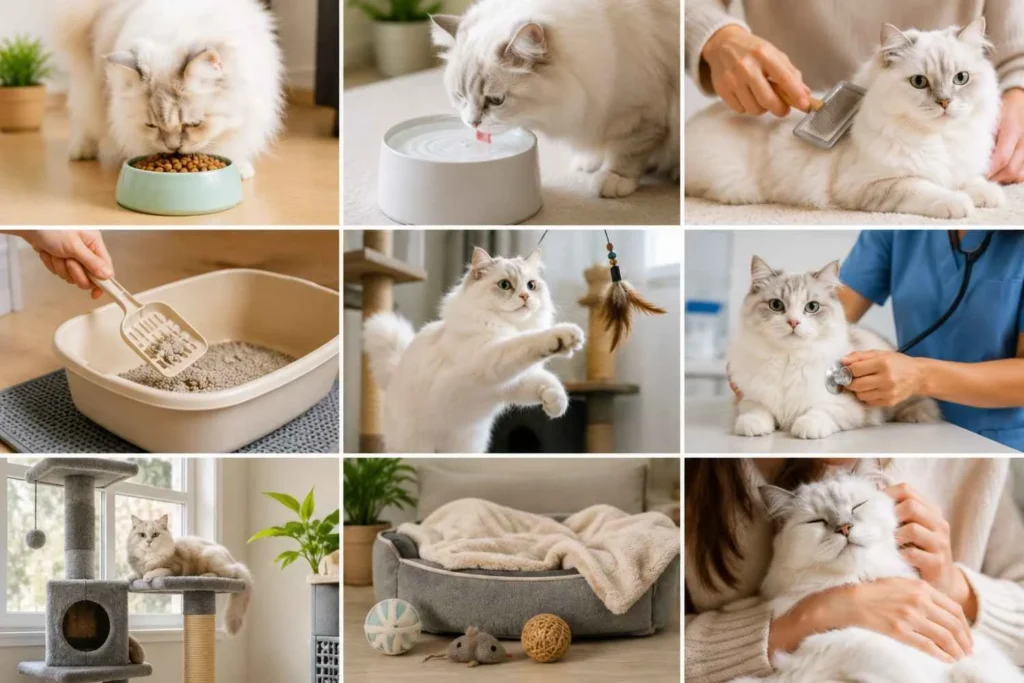
The best way to take care of a cat is to maintain a consistent routine that includes proper feeding, clean water, regular grooming, litter box hygiene, daily playtime, and routine vet checkups. A healthy cat also needs a safe environment, mental stimulation, and attention to behavioral changes. When these basic needs are met, cats stay healthier, happier, and live longer lives with fewer health or behavior problems.
How Often Should You Groom a Cat?
How often you need to groom a cat depends entirely on coat length, breed, age, and health status.
Grooming Frequency by Coat Type
Short-haired cats (American Shorthair, Siamese, Burmese): Brush once or twice per week. Nail trim every three to four weeks. Ear cleaning monthly unless issues arise.
Medium-haired cats (Maine Coon, Turkish Angora): Brush three to four times per week. Nail trim every two to three weeks. Check for mats weekly around the collar and armpit areas.
Long-haired cats (Persian, Ragdoll, Norwegian Forest Cat): Brush daily without exception. Professional grooming every six to eight weeks is strongly recommended. Nail trim every two weeks.
Shedding season: Most cats experience heavier shedding in spring and fall as daylight hours change. During cat shedding season, increase brushing frequency for all coat types by at least one additional session per week.
Senior cats: Older cats are less flexible and groom themselves less effectively. Increase your hands-on grooming frequency regardless of coat type.
How Much Does It Cost to Groom a Cat?
Understanding cat grooming costs helps you budget appropriately and compare the value of professional services against doing it yourself.
Professional Cat Grooming Prices (USA, 2026)
| Service | Average Cost (USA) |
| Basic brush-out and nail trim | $30 – $55 |
| Full groom (bath, dry, brush, trim, nails) | $60 – $120 |
| Lion cut / full shave | $80 – $150 |
| Dematting session | $45 – $100+ |
| Mobile groomer (in-home) | $90 – $175 |
| Sedated grooming (vet) | $200 – $400+ |
Prices vary significantly by location. Urban areas like New York City and Los Angeles typically run 25–40% higher than the national average. Long-haired and large breeds typically cost more due to the additional time required.
How Much Does It Cost to Groom a Cat at Home?
The one-time investment in quality tools is the biggest factor. A solid starter kit including a slicker brush, metal comb, nail clippers, ear cleaner, and cat toothpaste typically costs between $40 and $80 total. Once purchased, your ongoing cost is essentially zero beyond replacement supplies.
Most cat owners who groom at home save $400 to $800 per year compared to professional grooming for a long-haired cat.
Long Hair vs. Short Hair Cat Grooming
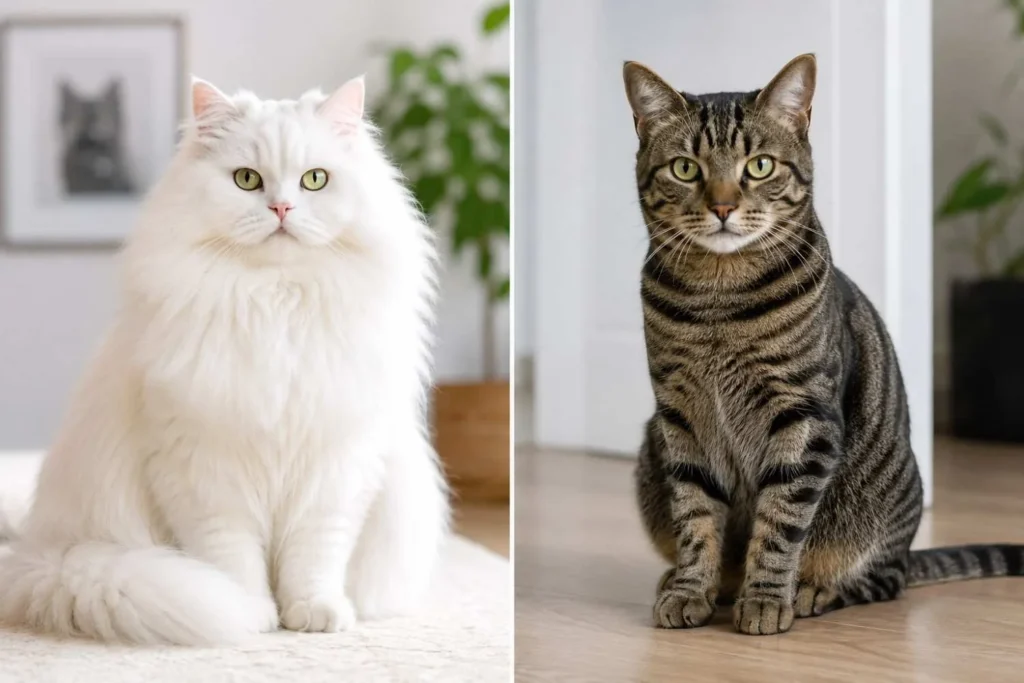
The difference between grooming a long-haired cat and a short-haired cat is not just frequency, it is technique, tool selection, and the types of problems you are watching for.
Long Hair Cat Grooming Tips
Long-haired cats are beautiful, but their coats demand daily attention. The most important long hair cat grooming tip is to never let a single day of brushing become a week of skipped sessions. Mats form within 48 to 72 hours in areas of friction like the armpits, behind the ears, and around the collar. Once a mat forms, it tightens quickly.
Daily grooming order for long-haired cats: wide-toothed comb first to find tangles, slicker brush to smooth the coat, then a final pass with a fine comb to check for any remaining knots or parasites.
Pay special attention to the “bib” (chest area), the hindquarters, and the tail plume; all three areas are mat hotspots.
Short Hair Cat Grooming Routine
Short-haired cats are far lower maintenance, but grooming still matters. The primary goal with a short hair cat grooming routine is shedding control and skin health, not mat prevention.
A rubber curry brush or grooming glove twice a week effectively removes dead coats, stimulates oil production, and dramatically reduces the loose fur that ends up on furniture, clothing, and in the air. This is especially important for cat owners with mild pet allergies. Regular brushing reduces the amount of dander-carrying hair shed around the home.
Signs Your Cat Needs Grooming Right Now
Your cat cannot schedule an appointment. Learning to read the signs your cat needs grooming helps you act before small issues become serious problems.
Watch for these warning signs:
Visible mats or tangles: If you can see or feel clumps in the coat, grooming is overdue. Do not wait — mats tighten daily.
Greasy or dull coat: A healthy coat has a natural sheen. Dull, greasy, or rough-textured fur indicates insufficient brushing, poor nutrition, or underlying health issues.
Persistent scratching or head shaking: These behaviors often signal ear mite infestation, flea activity, or skin irritation all of which proper grooming can catch early.
Frequent coughing or retching: Hairballs that recur more than once or twice per month suggest your cat needs more frequent brushing to reduce the amount of hair swallowed during self-grooming.
Overgrown or curling nails: If you can hear your cat clicking across hard floors, the nails are too long.
Soiled hindquarters: A cat that cannot clean their backside needs immediate grooming assistance and may need a veterinary check for mobility or weight issues.
How to Become a Cat Groomer
If you love working with cats and want to turn that passion into a career, becoming a cat groomer is an achievable goal with a clear path.
Step-by-Step Path to Becoming a Cat Groomer
Step 1: Get trained. Unlike dog grooming, cat grooming certification programs are less standardized but no less important. Look for accredited cat grooming programs that offer a Certified Feline Master Groomer credential, which is widely recognized as the professional standard in the industry.
Step 2: Apprentice under an experienced groomer. Hands-on experience with real cats is irreplaceable. Most successful groomers spend six to twelve months working under supervision before grooming independently.
Step 3: Learn cat behavior and handling. Cats are not small dogs. How to be a cat groomer effectively requires deep knowledge of feline body language, stress signals, and safe restraint techniques. A cat in distress can inflict serious injuries.
Step 4: Build your tool kit. Professional-grade shears, clippers with multiple guard lengths, hydraulic grooming tables, force-air dryers, and a full range of specialty combs are essential. Budget $800 to $2,000 for a starter professional kit.
Step 5: Get certified and insured. Accredited programs include both written and practical examinations. Professional liability insurance is essential before grooming paying clients.
Salary outlook: Entry-level cat groomers in the USA typically earn around $28,000 to $35,000 per year. Experienced self-employed groomers in high-demand urban areas regularly earn $50,000 to $80,000 annually depending on client volume and location.
Conclusion
Learning how to groom a cat is one of the most valuable skills you can develop as a cat owner. It protects your cat’s health, prevents expensive veterinary bills, and strengthens the trust between you and your pet.
Three key takeaways:
- Consistency beats perfection. A short brushing session three times a week does more good than an occasional marathon grooming that stresses your cat.
- Use the right tools for your cat’s coat type. The correct cat brush for a short-haired cat looks completely different from what a long-haired Persian needs.
- Act on warning signs early. The moment you notice mats, dull fur, overgrown nails, or unusual behavior, address small issues that become expensive problems quickly.
Start with the basics today: pick up a quality cat hair brush suited to your cat’s coat, set aside five minutes after playtime, and build the habit. Your cat will be healthier, happier, and more comfortable and you will save hundreds of dollars on grooming costs every year.
FAQ: People Also Ask
How do you groom a cat that hates being groomed?
Start with very short sessions of one to two minutes using a grooming glove rather than a brush, which feels more like petting. Reward immediately after every session. Gradually increase duration over several weeks. Never restrain forcibly this deepens fear and makes future grooming harder. A relaxed cat is a groomed cat.
Can I groom my cat at home without professional help?
Yes, most cat owners can handle routine grooming at home brushing, nail trimming, ear cleaning, and facial wiping with the right tools and a little patience. Professional grooming is recommended for heavy dematting, lion cuts, or any time a cat becomes too stressed or aggressive to handle safely at home.
How often should I groom my cat?
Short-haired cats need brushing once or twice weekly. Long-haired cats need daily brushing. Nail trims are needed every two to three weeks for most cats. Ear cleaning should happen monthly. The answer to how often to groom a cat depends heavily on coat length and individual cat health.
Is it okay to shave my cat in summer?
Shaving cats for summer cooling is generally not recommended by veterinarians. A cat’s coat acts as insulation against both heat and cold, and shaving removes that protection. It also exposes the skin to sunburn. If heat is a concern, focus on indoor cooling and ensure your cat has access to fresh, cool water at all times.
What happens if I never brush my cat?
Without regular brushing, loose fur builds up in the coat and gets swallowed, leading to frequent hairballs. Mats form in areas of friction and can become painfully tight against the skin. Skin conditions go undetected longer. Overall, an ungroomed cat is at higher risk for dermatological issues, hairball blockages, and discomfort.
How much does professional cat grooming cost?
A basic grooming session in the USA costs between $30 and $55 for a brush-out and nail trim. A full groom including bath, blow-dry, trim, and nail clip typically runs $60 to $120. Mobile groomers charge $90 to $175. Long-haired breeds and cats requiring dematting cost more due to the additional time needed.
Do I need special clippers to groom a cat at home with clippers?
Yes. Always use a cat shaver tool designed specifically for pets. Human hair clippers run too hot and are typically too loud for cats. Pet-specific cordless clippers with adjustable guards allow you to control coat length safely and are far quieter, which reduces cat stress during grooming.
Why does my cat groom itself so much but still get mats?
Cats groom themselves instinctively, but they cannot reach every part of their body effectively. The base of the tail, the armpits, behind the ears, and the collar area are common blind spots. Even the most dedicated self-groomer needs owner assistance in these areas, especially during shedding season when the coat is at its fullest.