

Quick answer: This cockatiel care guide starts with the basics. A cockatiel is a small Australian parrot (12-13 inches) and one of the best first birds – gentle, social, and capable of whistling tunes. Beginner cockatiel care means a large cage (minimum 20×20×24 inches), a pellet-plus-vegetable diet, daily out-of-cage time, and patient taming. Cockatiels live 15-25 years.
Contents
- What Is a Cockatiel?
- Is a Cockatiel the Right First Bird for You?
- Cockatiel Cage Setup: Size Matters More Than Toys
- What Do Cockatiels Eat? Seeds vs. Pellets vs. Chop
- Taming Your Cockatiel: The First 30 Days
- Reading Cockatiel Body Language
- Can Cockatiels Talk?
- Male vs. Female Cockatiels
- What Health Issues Should a Cockatiel Care Guide Cover?
- Cockatiel Lifespan
- Cost of Owning a Cockatiel
- The Daily and Weekly Care Routine
- Frequently Asked Questions
What Is a Cockatiel?
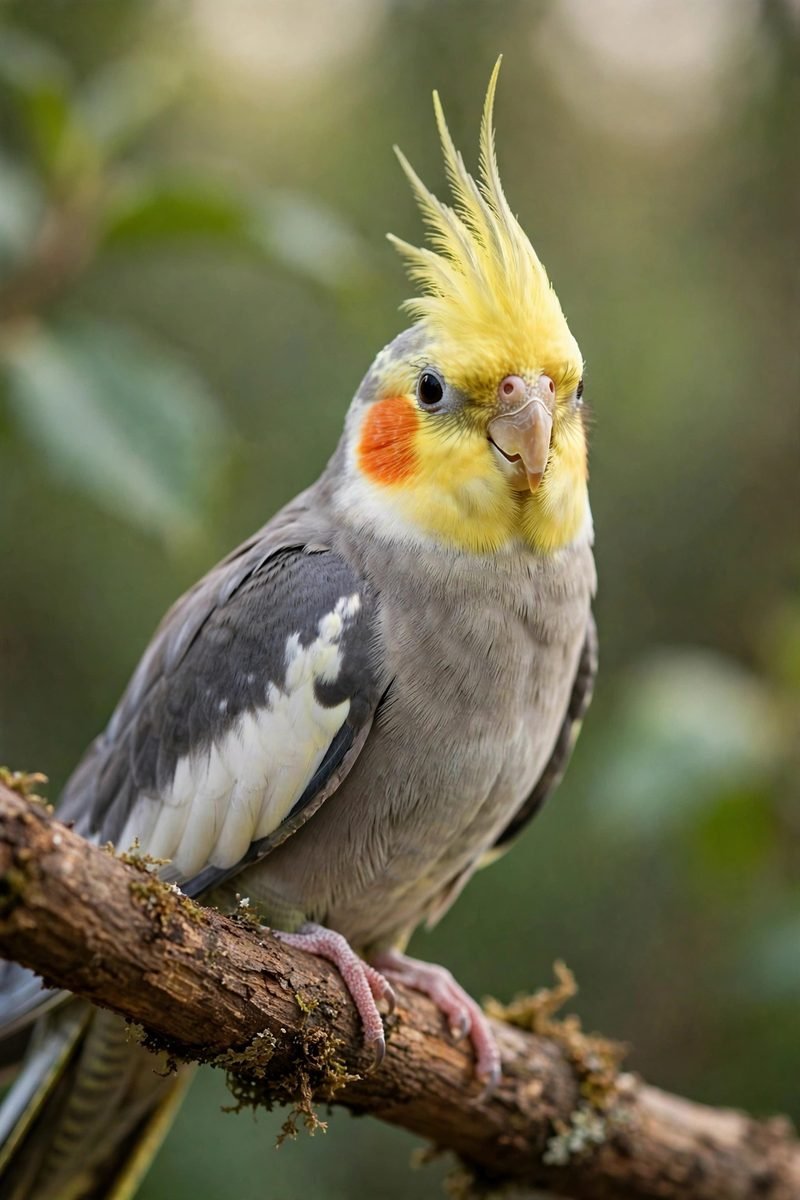
A cockatiel is a small cockatoo species native to the Australian outback, where wild flocks travel vast distances in search of water and seed. At 12-13 inches long (much of it tail) and weighing just 80-110 grams, they’re the smallest members of the cockatoo family. But they carry the cockatoo personality in miniature: social, expressive, and deeply bonded to their flock. In captivity, that flock means you.
The classic wild-type coloring is gray body, yellow face, orange cheek patches, and a tall expressive crest. Selective breeding has produced lutino (yellow-white), pied, pearl, cinnamon, and albino (whiteface lutino) varieties. Underneath, they’re all the same bird, with the same care needs and temperament.
What makes cockatiels the default “first parrot” recommendation? They’re gentler and quieter than conures, hardier than budgies in some respects, and genuinely interactive. Unlike many parrots, their bites rarely break skin. A well-socialized cockatiel is a whistling, head-scratching, shoulder-perching companion for decades.
Is a Cockatiel the Right First Bird for You?
Probably yes – with eyes open about three things. First, lifespan: 15-25 years is a serious commitment, longer than many dogs. Second, dust: cockatiels produce fine powder-down feathers that coat everything and bother some allergy sufferers. An air purifier near the cage helps enormously. Third, noise: they’re quieter than conures or cockatoos, but males in particular whistle, chirp, and flock-call. Apartments with thin walls and noise-sensitive neighbors deserve a test listen first.
Cockatiels suit you if you want an interactive pet you can handle daily. You need a few hours of home time for out-of-cage interaction. And you should find the idea of a bird that whistles the Addams Family theme delightful rather than maddening. If you want a silent, hands-off pet – get a fish.
Cockatiel Cage Setup: Size Matters More Than Toys
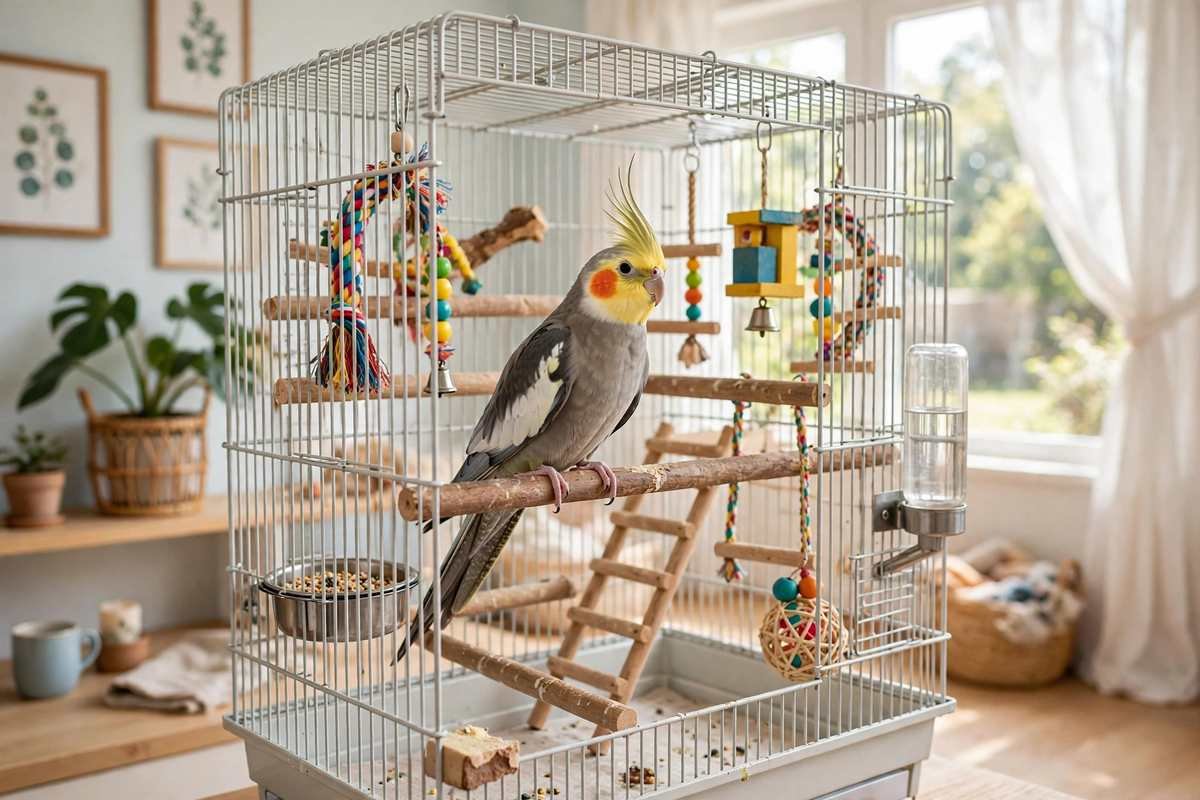
The single most common beginner mistake this cockatiel care guide sees is a cage that’s too small. Pet-store “cockatiel cages” are routinely inadequate. Your cockatiel will spend nights and work-hours in this cage. It needs room to spread its wings fully, hop between perches, and move without the tail dragging on bars.
| Feature | Minimum acceptable | Ideal |
|---|---|---|
| Cage dimensions | 20 × 20 × 24 inches | 24 × 24 × 30 inches or larger (flight cage) |
| Bar spacing | 1/2 – 5/8 inch (wider risks head entrapment) | 1/2 – 5/8 inch |
| Bar orientation | Horizontal bars on at least two sides (for climbing) | Horizontal bars all around |
| Perches | 2-3 natural wood, varied diameters | 4+ natural wood, rope, and platform perches |
| Placement | Against a wall, eye-level, away from kitchen fumes and drafts | Same, plus near family activity (they’re flock animals) |
Setup essentials: natural wood perches (dowel perches cause foot sores over time), stainless steel food and water dishes, a cuttlebone or mineral block for calcium, and a few toys rotated weekly. Cockatiels bore easily. Shreddable toys (palm, paper, soft wood) beat indestructible plastic.
Non-negotiables for safety: no non-stick cookware fumes (Teflon kills birds), no scented candles or air fresheners near the cage, no avocado/chocolate/caffeine/alcohol anywhere in reach, and ceiling fans OFF during out-of-cage time.
What Do Cockatiels Eat? Seeds vs. Pellets vs. Chop
Wild cockatiels eat grass seeds. But an all-seed captive diet is the avian equivalent of living on candy. It’s fatty and low in vitamins A and calcium. It’s also the leading cause of preventable disease in pet cockatiels. The modern consensus diet:
| Food group | Share of diet | Examples |
|---|---|---|
| Formulated pellets | ~50-60% | Plain, dye-free cockatiel pellets (no colored “fruit” pellets) |
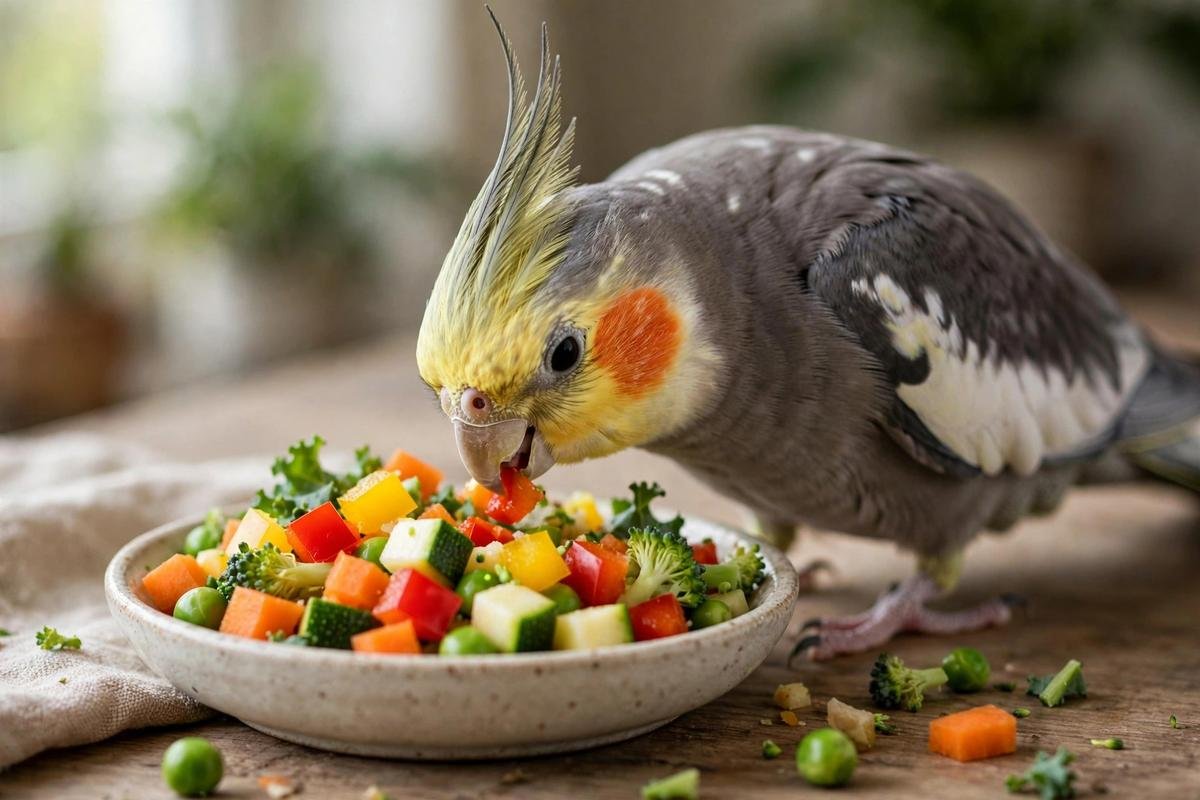
| Vegetables (“chop”) | ~25-30% | Broccoli, carrots, bell pepper, leafy greens, sweet potato (cooked) |
| Seeds | ~10-15% | Millet spray as treats/training rewards, small seed mix portion |
| Occasional extras | Sparingly | Cooked egg (protein), whole grains, bird-safe fruit bits |
Convert seed-addicted birds gradually. Mix pellets into seeds in increasing ratios over 2-4 weeks, and offer chopped veggies every morning when the bird is hungriest. Millet spray is the ultimate training currency. Reserve it for taming rewards rather than free-feeding it.
Fresh water daily (wash the dish, don’t just refill), and a cuttlebone always available. For the complete feeding breakdown, see our Best Diet for Cockatiels: Seeds, Pellets and Chop.
Taming Your Cockatiel: The First 30 Days
A new cockatiel is frightened. Everything is unfamiliar. Rushing this stage creates a fearful bird for months. Patience here pays off for decades. The timeline below assumes a young, hand-raised bird. Parent-raised or older birds take longer, and that’s fine.
- Days 1-3: Do almost nothing. Set up the cage, talk softly near it, let the bird observe. Don’t reach in. Let it learn the cage is safe territory.
- Days 4-7: Be furniture. Sit beside the cage reading or working. Offer millet spray through the bars. Let the bird come to your hand’s neighborhood voluntarily.
- Week 2: Open-door sessions. Open the cage door in a bird-proofed room and let the bird decide to come out. Offer millet from your flat palm. No grabbing – ever.
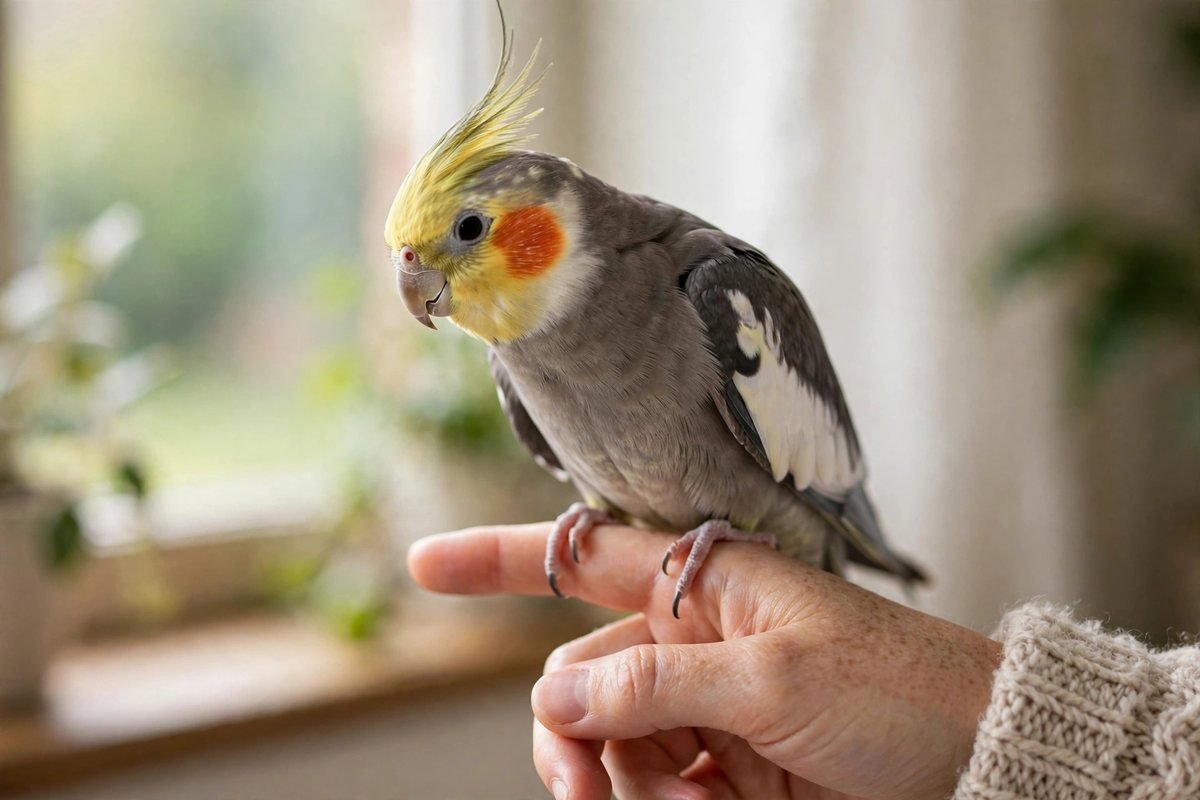
- Week 3: Step-up training. Present a finger or perch against the lower chest with gentle upward pressure, saying “step up,” and reward instantly with millet. Short sessions, always ending on success.
- Week 4+: Shoulder time and handling. Gradually extend handling: head scratches (most cockatiels melt for these), short shoulder rides, and recall practice across the room.
Rules that never change: move slowly, never chase a frightened bird, end every session before the bird wants to quit, and let the bird set the pace. Trust built slowly is trust that lasts 20 years.
Reading Cockatiel Body Language
The crest is a mood billboard:
- Crest flat against head: frightened or aggressive – give space.
- Crest half-raised, relaxed: content and curious – the default happy state.
- Crest fully erect: startled, alert, or excited – assess the situation.
- Beak grinding (soft clicking): deep contentment, often before sleep. The best sound in bird ownership.
- Hissing with open beak and spread wings: back off now – a threatened bird that can’t flee will bite.
- Head bobbing + wing drooping (babies): begging behavior; in adults, sometimes courtship.
- One foot tucked, fluffed: relaxed and comfortable.
Learning these signals in the first month prevents most bites – cockatiels almost always warn clearly before they nip.
Can Cockatiels Talk?
Sort of – but adjust expectations. Cockatiels are whistlers, not talkers. Males especially learn to whistle full tunes (the Andy Griffith theme and the Addams Family theme are cockatiel classics). They also mimic household sounds: microwaves, phone ringtones, sneezes. A few learn a word or two in a robotic chirp. But clear speech like an African Grey’s is beyond them.
Males are the vocal performers; females tend to be quieter, though there are chatty exceptions. If whistling concerts appeal to you, a young male is the best bet. The best way to teach tunes is whistling them yourself, slowly and repeatedly, during calm morning sessions.
Male vs. Female Cockatiels
| Trait | Male | Female |
|---|---|---|
| Vocal ability | Whistles tunes, mimics sounds | Quieter; chirps and flock calls |
| Personality | Showy, strutting, heart-wing displays | Often calmer and more cuddly |
| Appearance (wild-type) | Bright yellow face, vivid cheek patches | Duller face, barring under tail |
| Egg-laying | – | Females may lay unfertilized eggs; needs calcium + vet awareness |
| Best for | Owners wanting an entertainer | Owners wanting a gentle lap bird |
Both sexes tame equally well and bond equally deeply. Choose based on the traits above, not on myths about one sex being “nicer.”
What Health Issues Should a Cockatiel Care Guide Cover?
Birds hide illness instinctively – by the time a cockatiel looks sick, it’s often seriously ill. Any bird sitting fluffed on the cage floor, breathing with tail bobbing, or ignoring food needs a vet the same day (find an avian vet now, before you need one).
- Respiratory infections – tail-bobbing, sneezing, discharge; often triggered by drafts or fumes.
- Psittacosis (parrot fever) – bacterial, treatable, transmissible to humans; fluffed, lethargic bird with discharge.
- Fatty liver disease – the end-stage of all-seed diets; preventable with the pellet/veggie diet above.
- Egg binding (females) – straining, fluffed, wide stance; an emergency.
- Night frights – cockatiels panic at sudden night noises, thrashing in the cage; a dim night light prevents most episodes.
- Feather plucking – usually boredom, loneliness, or dry air rather than disease; more out-of-cage time and humidity help.
Cockatiel Lifespan
Cockatiels live 15-25 years with good care – 20+ is common for well-fed, well-kept birds. The diet switch from seeds to pellets/vegetables is the single biggest lifespan lever; so is daily social interaction, since lonely cockatiels decline. Plan for decades, and line up a “godparent” for your bird in your absence plans – they may outlive your current life chapter.
Cost of Owning a Cockatiel
| Expense | Typical range (USD/year) |
|---|---|
| Pellets + fresh vegetables | $200-$350 |
| Initial cage setup (first year) | $150-$400 |
| Toys (rotated regularly) | $100-$200 |
| Avian vet checkup | $100-$250 |
| Air purifier (strongly advised) | $80-$200 (one-time) |
| First-year total | $600-$1,400 |
Cockatiels are among the most affordable parrots to keep – the real cost is time, not money. Budget 1-2 hours of daily interaction; a lonely cockatiel is an unhappy one regardless of cage size.
Molting: What to Expect
Cockatiels molt – replace all their feathers – typically once or twice a year, often in spring and fall. A normal molt is gradual: a few feathers daily over several weeks. Pin feathers (new feathers in waxy sheaths) appear on the head and neck. Offer extra baths or gentle misting during molts. Moisture helps the sheaths open. Never pull pin feathers on the body: the blood feathers inside can bleed heavily if broken.
What’s NOT normal: bald patches, bleeding, or frantic plucking. Patchy feather loss signals illness, mites, or stress-induced plucking and warrants an avian vet visit. A healthy molt looks scruffy; a sick bird looks patchy. Learn the difference in your bird’s first year.
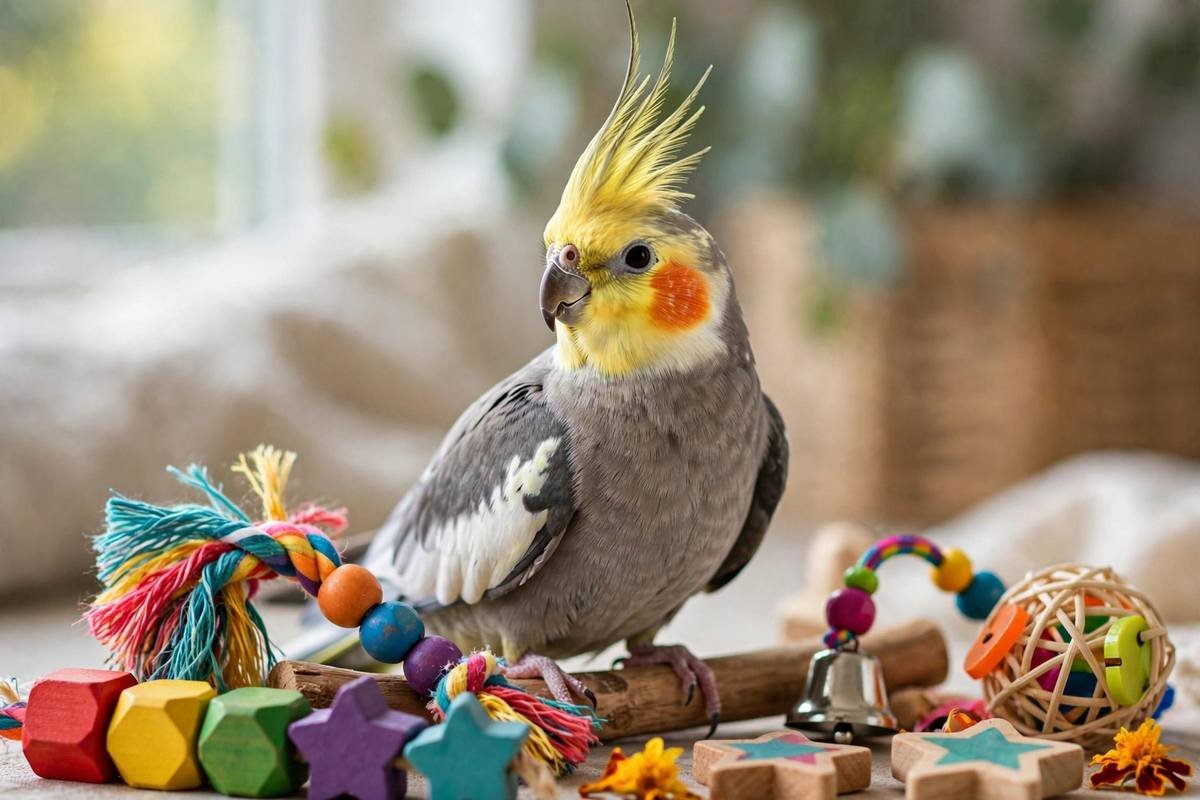
Bonding Activities Beyond Taming
Once your cockatiel steps up reliably, the relationship deepens through shared routines:
- Whistle lessons: 5-minute morning sessions teaching a simple tune – the bird learns fastest from a calm, repetitive teacher.
- Foraging games: wrap millet bits in paper cups or hide them in a shallow box of shredded paper; wild cockatiels forage for hours.
- Shower perch: many cockatiels adore gentle lukewarm showers (never hot, never soapy) – it also manages the powder-down dust.
- “Help” with chores: folding laundry or sorting papers near the bird is prime flock time; expect supervisory chirps.
- Training tricks: wave, turn-around, and wings-out on cue are all within a cockatiel’s ability and take minutes a day.
The Daily and Weekly Care Routine
- Morning: fresh water, fresh chop/vegetables, quick cage check, open the cage for out-of-cage time.
- Daily: 1-2 hours of interaction (training, shoulder time, whistling lessons); spot-clean droppings; 10-12 hours of sleep in a quiet, covered cage.
- Weekly: full cage clean, wash dishes and perches, rotate toys, weigh the bird (a kitchen scale tracking weight catches illness early – sudden 10% drops warrant a vet call).
- Monthly: inspect toys for wear, replace perches as needed, review diet variety.
Related Guides
- Best Diet for Cockatiels: Seeds, Pellets and Chop – the full feeding plan
- Cockatiel Cage Setup Guide – perches, placement, and safety
- Cockatiel Behavior and Body Language – crest, calls, and moods decoded
- How Long Do Cockatiels Live? – lifespan and senior bird care
- Male vs. Female Cockatiel – choosing your bird
Frequently Asked Questions
Are cockatiels good for beginners?
Yes – they’re the most recommended first parrot for good reason: gentle, hardy, interactive, and forgiving of beginner mistakes. They still need daily interaction, a proper diet, and a large cage. So “beginner bird” doesn’t mean “low-effort pet.” It means a bird that won’t punish your learning curve, and this cockatiel care guide will walk you through the rest.
Do cockatiels need a companion bird?
Not necessarily – a single cockatiel bonded to an owner who spends hours daily with it is perfectly happy. But if you’re away all day, a second cockatiel (in a large enough cage, introduced properly) prevents loneliness. Two birds bond more with each other and slightly less with you; that’s the trade-off.
Why is my cockatiel screaming?
Cockatiels flock-call – loud contact calls – when lonely, bored, or startled. A screaming cockatiel is usually an under-stimulated one: more out-of-cage time, foraging toys, and background company (radio, your presence) fix most cases. Never punish vocalization; reward quiet moments instead.
How do I get my cockatiel to eat vegetables?
Offer chopped veggies first thing in the morning when hungriest, eat some yourself nearby (flock eating is contagious), and try different presentations – some birds prefer large leafy pieces to clip, others like fine chop. Persistence over weeks, not days, wins.
Do cockatiels talk?
Rarely in words – but males are gifted whistlers that learn full tunes and household sounds. If you want conversation, look at larger parrots; if you want a bird that whistles your favorite song back at you, a male cockatiel delivers.
How long do cockatiels live?
15-25 years. The biggest factors are diet (pellets and vegetables, not seeds alone), daily social interaction, and an avian vet for checkups. Many owners are surprised – this “starter bird” is a decades-long commitment.
Written by the PetsVentres editorial team. Reviewed for accuracy on October 2026.
This guide is for informational purposes and doesn’t replace professional veterinary advice.