

Introduction
Digestive upset is one of the most common health problems dogs experience. If your dog has diarrhea right now, you are not alone and in many cases, you can handle it safely at home without an emergency vet visit.
Quick Answer: Fast your dog for 12 to 24 hours, then offer small portions of plain boiled rice and chicken and call your vet immediately if you notice blood in the stool, repeated vomiting, or signs of lethargy.
Knowing how to treat diarrhea in dogs correctly makes the difference between a quick recovery and a worsening problem. The wrong response like giving your dog human medications or forcing food too quickly can turn a minor stomach upset into something serious.
In this guide you will learn exactly what causes dog diarrhea, how to tell when it is safe to treat at home, proven home remedies that work, when to call your vet immediately, and what to feed a dog with diarrhea to speed up recovery. Whether your dog has sudden loose stools or chronic digestive trouble, this guide covers everythin 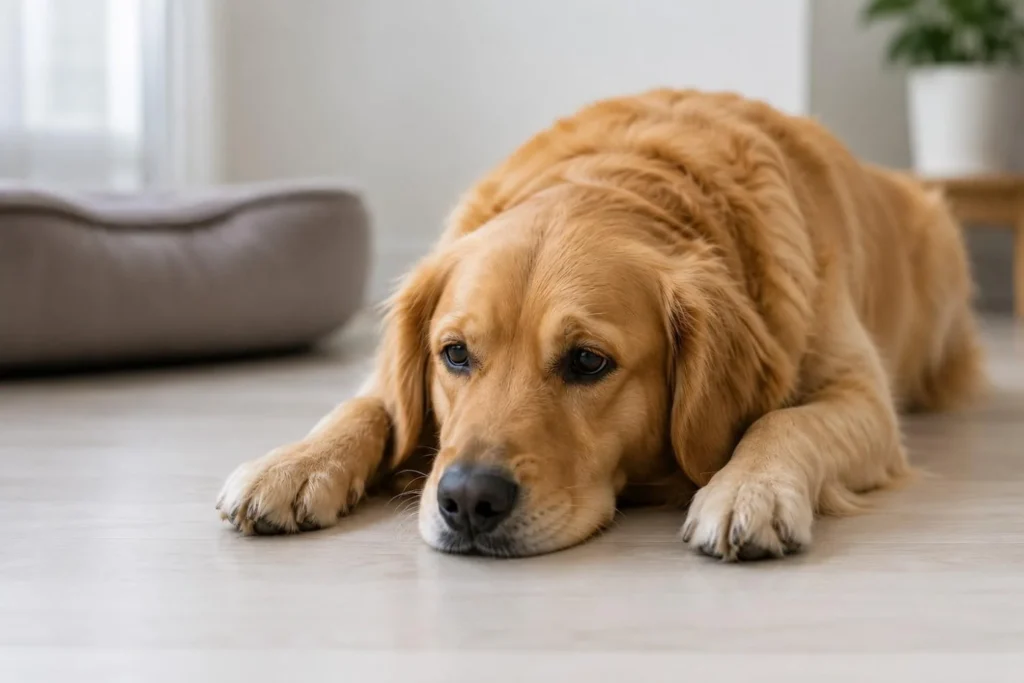
Table of Contents
- What Causes Diarrhea in Dogs?
- How to Tell If Your Dog’s Diarrhea Is an Emergency
- How to Treat Diarrhea in Dogs at Home
- What to Give Dogs for Diarrhea: Food and Supplements
- How to Treat Chronic and Severe Diarrhea in Dogs
- Dog Vomiting and Diarrhea: What to Do When Both Happen
- Conclusion
What Causes Diarrhea in Dogs?
Dog diarrhea is loose, watery, or more frequent bowel movements than normal. It is a symptom, not a disease meaning something specific is triggering it, and identifying the cause is the first step to the right treatment.
Dietary Causes
The most common reason a dog gets diarrhea is something they ate. Dogs are opportunistic eaters, and their digestive systems are more sensitive than many owners realize.
Common food-related triggers include:
- Sudden diet changes. Switching brands too fast disrupts the gut microbiome. Veterinary guidelines recommend transitioning over 7 to 10 days, mixing old and new food gradually (American College of Veterinary Nutrition, 2023).
- Table scraps and fatty foods. High fat human food is a leading cause of both diarrhea and pancreatitis in dogs.
- Garbage or spoiled food. Bacteria in decomposing food can cause rapid-onset diarrhea within hours.
- Food intolerances or allergies. Dairy, wheat, and certain proteins (chicken, beef) are common culprits. Unlike acute dietary upsets, food intolerance causes recurring loose stools over weeks or months.
Infections and Parasites
Veterinary experts consistently identify parasites as one of the most frequently diagnosed causes of chronic diarrhea in puppies and young adult dogs (Companion Animal Parasite Council, 2024).
- Giardia is a microscopic parasite spread through contaminated water. It produces greasy, foul smelling stools and is highly contagious between dogs.
- Parvovirus causes severe, bloody diarrhea, especially in unvaccinated puppies. This is a life-threatening emergency.
- Roundworms, hookworms, and whipworms all irritate the intestinal lining, leading to loose stools, weight loss, and a dull coat.
- Bacterial infections (Salmonella, Campylobacter) are less common but serious, especially in immunocompromised dogs.
Stress and Behavioral Triggers
Many dog owners are surprised to learn that stress is a genuine physiological cause of diarrhea. The gut-brain axis in dogs works similarly to humans anxiety directly affects gut motility.
Common stress triggers include fireworks, travel, boarding, new pets, moving homes, or changes in the owner’s schedule. Stress diarrhea usually resolves within 24 to 48 hours once the stressor passes.
Underlying Medical Conditions
Some conditions cause chronic or recurring diarrhea as an ongoing symptom:
- Inflammatory Bowel Disease (IBD) chronic inflammation of the GI tract
- Exocrine Pancreatic Insufficiency (EPI) the pancreas fails to produce enough digestive enzymes
- Liver or kidney disease toxin buildup affects digestion
- Hypothyroidism metabolic slowdown affects gut function
- Intestinal cancer especially in older dogs with unexplained weight loss
How to Tell If Your Dog’s Diarrhea Is an Emergency
Not all diarrhea in dogs requires a vet visit, but some situations demand immediate professional attention. Misreading the signs is one of the most common and dangerous mistakes pet owners make.
The Diarrhea Severity Scale
| Type | Appearance | Urgency | Action |
| Type 1 | Formed but soft | Low | Monitor at home |
| Type 2 | Soft, loses shape | Low-Moderate | Bland diet, monitor 24 hours |
| Type 3 | Very soft, no shape | Moderate | Bland diet, consider vet if persists |
| Type 4 | Watery, liquid | Moderate-High | Vet within 24 hours if persistent |
| Type 5 | Watery + mucus | High | Vet same day |
| Type 6 | Watery + blood | Emergency | Vet immediately |
Warning Signs That Require Immediate Vet Care
Call your vet right away if your dog shows any of the following alongside diarrhea:
- Blood in the stool red (fresh blood) or black/tarry (digested blood higher in the GI tract)
- Diarrhea lasting more than 48 hours in an adult dog
- Diarrhea lasting more than 24 hours in a puppy or senior dog
- Vomiting and diarrhea together with lethargy or refusal to drink
- Signs of dehydration dry gums, sunken eyes, skin that stays tented when pinched
- Bloated or painful abdomen
- Pale, white, or yellow gums
- Your dog ate a known toxin (chocolate, xylitol, grapes, certain plants)
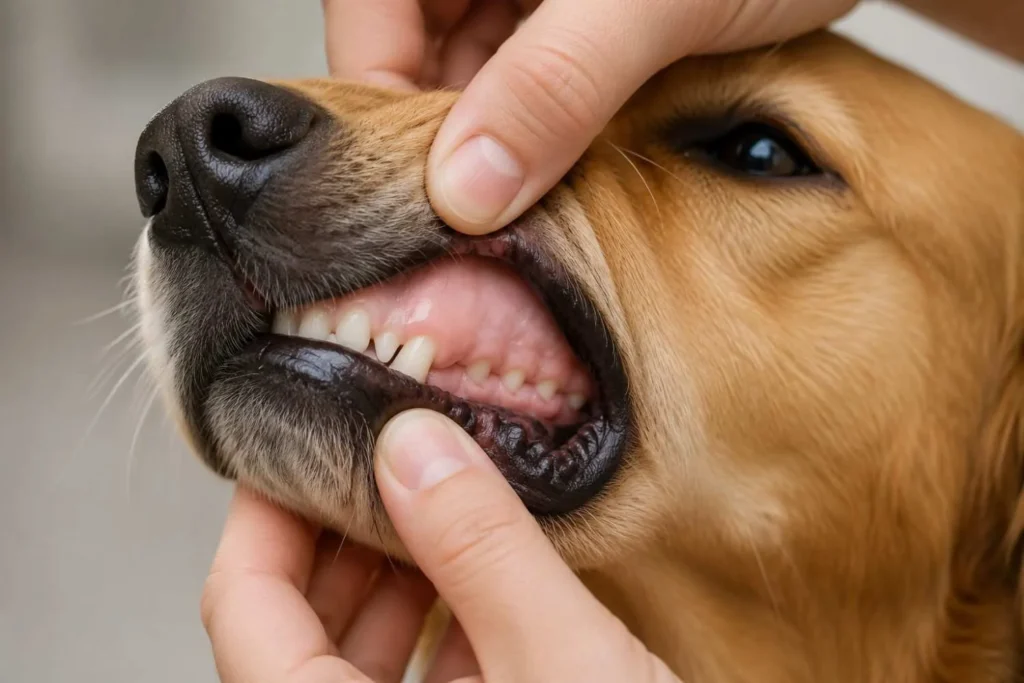
Dehydration Test for Dogs
Press your finger gently on your dog’s gum, release, and count how long it takes for the pink color to return. Normal capillary refill time is under 2 seconds. Longer than 2 seconds is a sign of dehydration and requires veterinary attention.
How to Treat Diarrhea in Dogs at Home
For mild, uncomplicated diarrhea in otherwise healthy adult dogs, home treatment is usually safe and effective. Here is how to treat diarrhea in dogs at home step by step.
Step 1: The Fasting Period
The single most effective first step is a short fasting period of 12 to 24 hours. Withholding food (not water) gives the intestinal lining time to calm and recover without being triggered by new food.
Important: Do not fast puppies under 8 weeks old, diabetic dogs, or very small breeds without consulting your vet first; they are at risk for dangerous blood sugar drops.
Always ensure fresh, clean water is available throughout the fast. Diarrhea causes fluid loss, and dehydration is the biggest immediate risk.
Step 2: Reintroduce Food with a Bland Diet
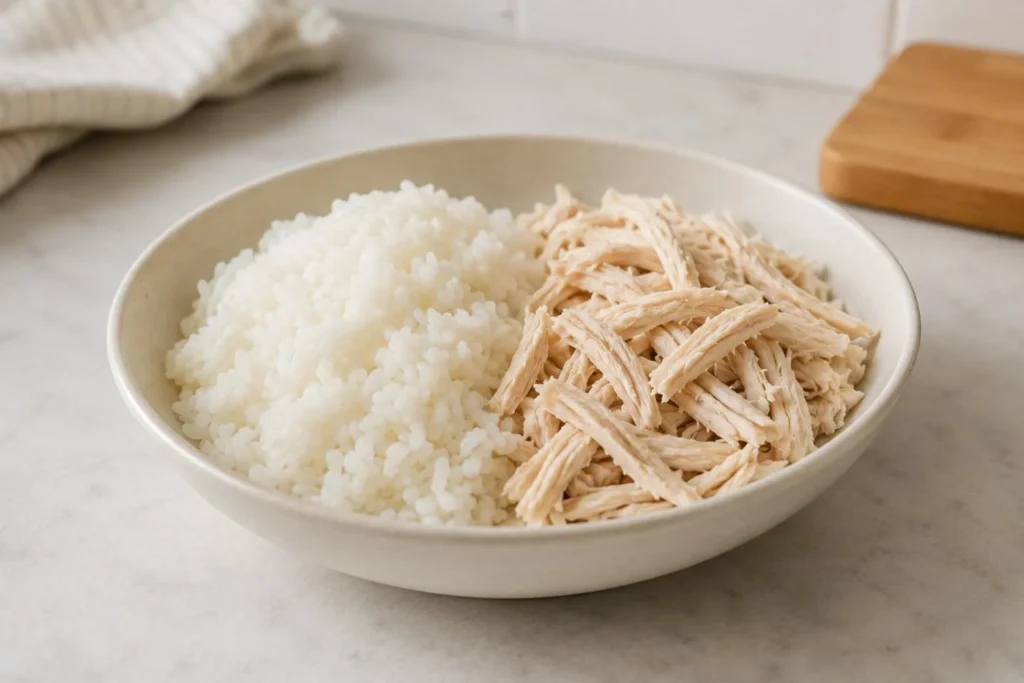
After the fast, reintroduce food gradually with a bland, easily digestible meal. The classic veterinary recommendation is plain boiled white rice and boiled boneless chicken breast with no seasoning, no skin, and no fat.
Feed small amounts every 4 to 6 hours rather than one large meal. The goal is to give the gut small, easy-to-process loads while it heals.
Step 3: Use Proven Home Remedies
Several safe, vet-approved home remedies can speed up your dog’s recovery from plain pumpkin puree and probiotic yogurt to slippery elm bark and bone broth. Each one works differently, and the right combination depends on your dog’s size and symptoms.
We cover every remedy in full detail with correct dosing by dog weight and what to avoid in our dedicated guide: What Home Remedy Can I Give My Dog for Diarrhea? Read that next if you want the complete breakdown.
Step 4: Monitor Progress Closely
Keep a simple log of your dog’s stools frequency, consistency, and any blood or mucus. If there is no improvement within 24 to 48 hours of home treatment, or if the diarrhea worsens at any point, contact your vet.
How to Treat Diarrhea in Dogs Naturally: What to Avoid
When learning how to treat diarrhea in dogs naturally, it is just as important to know what not to do.
- Do not give human anti-diarrheal medications. Over-the-counter stomach remedies made for humans can be toxic to dogs — some contain salicylates which are dangerous, and certain anti-motility drugs are especially harmful in specific breeds with the MDR1 gene mutation, such as Collies. Never give any human medication without explicit vet guidance.
- Do not give dairy-based products beyond small amounts of plain yogurt — most dogs are partially lactose intolerant, and dairy worsens diarrhea.
- Do not feed normally immediately after fasting. Jumping back to regular food volume shocks the gut.
What to Give Dogs for Diarrhea: Food and Supplements
What you feed a dog with diarrhea matters just as much as what you withhold. The right diet and supplements can cut recovery time significantly.
Best Foods for Dogs with Diarrhea
| Food | Why It Helps | How to Serve |
| Plain boiled white rice | Low-residue, easy to digest, firms stools | Mix with chicken, 2/3 rice to 1/3 chicken |
| Boiled boneless chicken breast | Lean protein, easy on the gut | No skin, no seasoning |
| Plain canned pumpkin | Soluble fiber absorbs excess water | 1-4 tbsp per meal based on dog size |
| Plain scrambled eggs | Easy protein source | No butter or oil |
| Sweet potato (boiled, no skin) | Fiber and electrolytes | Mashed, plain |
| Bone broth (plain) | Hydration, electrolytes | As a drink alongside food |
Foods to Avoid During Diarrhea Recovery
Avoid anything fatty, spicy, seasoned, or high in fiber during recovery. Specifically:
- Raw food diets (introduce bacterial load the gut cannot handle when inflamed)
- High-fat treats or chews
- Milk or cheese (worsens diarrhea through osmotic effect)
- Vegetables with high insoluble fiber (broccoli, cabbage, Brussels sprouts)
Probiotics: Do They Actually Work?
Yes, with the right product. Canine-specific probiotics are more effective than human versions because they contain strains that colonize a dog’s gut. Look for products containing Lactobacillus acidophilus, Enterococcus faecium, or Bifidobacterium animalis strains with peer-reviewed evidence in dogs.
Multiple peer-reviewed meta-analyses, including those referenced in current veterinary practice guidelines for 2026, confirm that probiotic supplementation statistically reduces the duration of acute diarrhea in dogs compared to placebo controls. Look for products that list CFU (colony-forming units) counts and have refrigerated storage, which indicates live cultures.
Electrolyte Support
During diarrhea, dogs lose electrolytes rapidly, particularly sodium, potassium, and chloride. If your dog is drinking water but still seems lethargic, consider adding a small amount of an unflavored oral rehydration solution (no artificial sweeteners) to their water bowl. The ratio is approximately 1 part solution to 4 parts water.
Do not use sports drinks formulated for humans; the electrolyte balance and additives are inappropriate for dogs.
Picking the right food during recovery makes a bigger difference than most owners realize. For a full stage-by-stage feeding plan including when to transition back to regular food and what to do if your dog refuses the bland diet see: What to Feed a Dog With Diarrhea
If your dog gets loose stools regularly even when healthy, their everyday kibble may be the root cause. Our guide on the Best Dog Food for Sensitive Stomach and Diarrhea covers the top vet-recommended diets for dogs with chronic digestive sensitivity.
How to Treat Chronic and Severe Diarrhea in Dogs
Acute diarrhea resolves within a few days. Chronic diarrhea is defined as loose stools persisting for more than 3 weeks, or recurring episodes over months. Treating chronic diarrhea in dogs requires identifying and addressing the underlying cause home remedies alone will not fix it.
How to Treat Chronic Diarrhea in Dogs
Step 1: Veterinary workup. Chronic diarrhea requires diagnostics. Your vet will likely recommend a fecal exam (to rule out parasites), bloodwork (to check organ function), and possibly imaging or endoscopy for intestinal evaluation.
Step 2: Rule out dietary sensitivity. A strict elimination diet trial lasting 8 to 12 weeks is the gold standard for diagnosing food intolerance. This involves feeding a novel protein source (one your dog has never eaten) or a hydrolyzed protein prescription diet with absolutely no other food, treats, or flavored medications.
Step 3: Address confirmed causes. Treatment depends on what is found:
- Parasites require targeted antiparasitic medication (metronidazole, fenbendazole, or combination drugs depending on the organism)
- IBD may require prescription anti-inflammatory medications, immunosuppressants, or dietary management
- EPI requires lifelong enzyme supplementation with meals
- Bacterial infections are treated with targeted antibiotics based on culture results
How to Treat Severe Diarrhea in Dogs
Severe diarrhea defined as profuse watery stools occurring more than 5 times in 24 hours, bloody diarrhea, or diarrhea paired with vomiting and lethargy always requires veterinary care.
Treatment typically includes:
- IV or subcutaneous fluids to correct dehydration
- Anti-nausea medication (maropitant, ondansetron)
- Intestinal protectants (sucralfate for bleeding)
- Antibiotics if bacterial infection is confirmed or strongly suspected
- Fasting from food for 12 to 24 hours under supervised hydration
Do not attempt to treat severe diarrhea at home. The risk of dangerous dehydration and electrolyte imbalance is real, especially in small dogs, puppies, and senior dogs.
Dog Vomiting and Diarrhea: What to Do When Both Happen
When a dog has both vomiting and diarrhea together, the situation is more serious than either symptom alone. Fluid loss from both ends of the digestive tract creates a rapid path to severe dehydration.
How to Treat Vomiting and Diarrhea in Dogs
First, assess severity. Mild vomiting (1 to 2 times) combined with soft stools in a dog that is alert and drinking can still be monitored at home for the first 12 to 24 hours. But any combination of the following requires same day veterinary care:
- More than 2 to 3 vomiting episodes in 24 hours
- Bloody vomit or bloody diarrhea
- Lethargy or inability to stand
- Known or suspected ingestion of a toxin or foreign object
- Puppies or senior dogs (always more vulnerable)
For mild cases at home:
- Withhold food for 12 hours. Keep water available in small amounts. If large amounts of water trigger more vomiting, offer ice chips instead.
- After 12 hours with no vomiting, offer small amounts of water. If that is tolerated for 2 hours, offer a small amount of bland food.
- Watch for improvement over the next 12 to 24 hours.
How to Treat Diarrhea and Vomiting in Dogs: Preventing Dehydration
Dehydration is the primary danger when a dog is both vomiting and has diarrhea. Signs of dehydration include:
- Dry or tacky gums
- Loss of skin elasticity (skin tent test)
- Sunken eyes
- Lethargy and weakness
- Reduced or no urination
If you notice any of these signs, do not wait to contact your vet or an emergency animal clinic immediately. Dogs can go from mildly dehydrated to critically ill surprisingly quickly, especially smaller breeds and puppies.
Gastroenteritis vs. More Serious Causes
Most cases of vomiting and diarrhea together in dogs are caused by gastroenteritis (inflammation of the stomach and intestines), which is self-limiting in healthy adult dogs. However, the same symptom combination is also seen with:
- Pancreatitis — severe inflammation of the pancreas, requires hospitalization
- Intestinal obstruction — from swallowed toys, bones, or foreign objects
- Parvovirus — in unvaccinated dogs
- Hemorrhagic gastroenteritis (HGE) — a sudden, severe condition with bloody diarrhea and vomiting that can be fatal without IV fluids
If you are unsure, always err on the side of calling your vet. A 5-minute phone consultation is free in most practices.
Conclusion
Knowing how to treat diarrhea in dogs confidently gives you the ability to act quickly and correctly when your dog needs you most. Here are three key takeaways from this guide:
First, most cases of mild diarrhea in healthy adult dogs can be managed safely at home with a short food fast, a bland rice-and-chicken diet, and natural supports like pumpkin puree and probiotics.
Second, certain warning signs including blood in the stool, repeated vomiting alongside diarrhea, dehydration, and symptoms lasting beyond 48 hours always require prompt veterinary care, no exceptions.
Third, chronic or recurring diarrhea in dogs is never something to manage indefinitely with home remedies. It signals an underlying condition that only a proper veterinary diagnosis can identify and treat.
If your dog has diarrhea right now, start with the steps in this guide and keep a close eye on their condition over the next 24 hours. And when in doubt, always call your vet.
FAQ: People Also Ask
How long does dog diarrhea usually last?
Most cases of acute diarrhea in dogs resolve within 24 to 48 hours with proper home care. If diarrhea persists beyond 48 hours in an adult dog or 24 hours in a puppy or senior, a vet visit is necessary. Chronic diarrhea lasting 3 weeks or more requires diagnostic workup to identify the underlying cause.
Can I give my dog human stomach medicine for diarrhea?
No. Most over-the-counter stomach remedies made for humans are not safe for dogs. Some contain salicylates that are toxic to dogs, and others can cause serious neurological side effects in certain breeds. Always ask your vet before giving any human medication — what is safe for people is often harmful to dogs.
Is it safe to fast my dog for diarrhea?
Yes, for healthy adult dogs, a 12 to 24-hour food fast is one of the most effective first steps. Always keep fresh water available. Do not fast puppies, diabetic dogs, or very small breeds without veterinary guidance, as they are at risk for hypoglycemia.
What is the best thing to feed a dog with diarrhea?
Plain boiled white rice mixed with boiled boneless chicken breast (2:1 ratio) is the most widely recommended veterinary bland diet. Plain canned pumpkin adds soluble fiber to help firm stools. Introduce food in small amounts every 4 to 6 hours after a fasting period.
When should I take my dog to the vet for diarrhea?
Take your dog to the vet immediately if stools contain blood, if your dog is vomiting repeatedly alongside diarrhea, shows signs of dehydration, seems lethargic or in pain, or if diarrhea has not improved after 48 hours. Puppies and senior dogs should be seen sooner within 24 hours if there is no improvement.
Can stress cause diarrhea in dogs?
Yes. The gut-brain connection in dogs is well-established. Anxiety from changes in routine, travel, boarding, or loud events like fireworks can trigger stress diarrhea within hours. It usually resolves once the stressor is removed. If stress-related diarrhea is frequent, speak with your vet about anxiety management strategies.
What are natural home remedies for dog diarrhea?
The most evidence-supported natural remedies are plain canned pumpkin (soluble fiber), canine-specific probiotics (to restore gut bacteria), and plain bone broth (for hydration and electrolytes). Slippery elm bark is also commonly used to soothe the GI tract lining. Always confirm safety with your vet, especially for dogs with existing health conditions.
How do I stop my dog’s watery diarrhea fast?
Start with a 12 to 24-hour food fast while maintaining hydration. After the fast, introduce small amounts of bland food (rice and chicken) every few hours. Add 2 to 4 tablespoons of plain pumpkin puree to help firm the stool. If watery diarrhea does not improve within 24 hours, or if your dog becomes lethargic, seek veterinary care promptly.