

Introduction
If your dog suddenly has diarrhea, it can be stressful but many mild cases improve quickly with safe home care and the right approach. Before you rush to an emergency clinic, it is worth knowing that most episodes in otherwise healthy adult dogs resolve within 24 to 48 hours without a vet visit.
So, what home remedy can you give your dog for diarrhea? Plain cooked rice, canned pumpkin, probiotics, and a short food fast are the four most effective vet-approved starting points and this guide covers each one in full detail.
In this guide you will learn exactly which home remedies work, correct dosing by dog size, and when symptoms mean you genuinely need a vet visit. For more serious or ongoing cases, our complete guide on how to treat diarrhea in dogs covers everything from vet diagnostics to prescription treatment.
Table of Contents
- Why Dogs Get Diarrhea: What You Need to Know First
- Best Home Remedies for Dog Diarrhea (Vet-Approved)
- Natural Remedies for Dog Diarrhea Worth Trying
- How to Use Each Remedy: Step-by-Step
- Home Remedy Comparison Table
- When Home Remedies Are Not Enough
- FAQ: People Also Ask
- Conclusion
Why Dogs Get Diarrhea: What You Need to Know First
Dog diarrhea is not a disease, it is a symptom. Understanding the root cause helps you pick the right home remedy and avoid making things worse.
The Most Common Triggers
Veterinary experts consistently identify these as the leading causes of acute diarrhea in dogs:
- Dietary indiscretion (eating garbage, table scraps, or unfamiliar food)
- Sudden food changes
- Stress or anxiety (boarding, travel, new environments)
- Viral or bacterial infections
- Intestinal parasites like giardia or roundworms
- Medication side effects, especially after antibiotics
Veterinary professionals often see mild acute diarrhea improve with simple home care once the underlying trigger such as dietary indiscretion, stress, or minor stomach irritation is removed.
Acute vs. Chronic Diarrhea
Acute diarrhea comes on suddenly and typically lasts less than three days. This is the type that responds best to dog diarrhea home remedies.
Chronic diarrhea persists for more than two to three weeks and almost always requires veterinary diagnosis. Never attempt to manage chronic diarrhea long-term with home treatment alone.
What Your Dog’s Stool Is Telling You
The color and consistency of your dog’s stool carries important diagnostic information:
- Soft, brown, and mushy: mild irritation home remedy appropriate
- Yellow or orange: possible liver or bile issue monitor closely
- Black or tarry: potential upper GI bleeding see a vet immediately
- Bright red streaks: lower GI irritation or colitis vet if persistent
- Gray or greasy: possible pancreatic issue vet evaluation needed
Best Home Remedies for Dog Diarrhea (Vet-Approved)
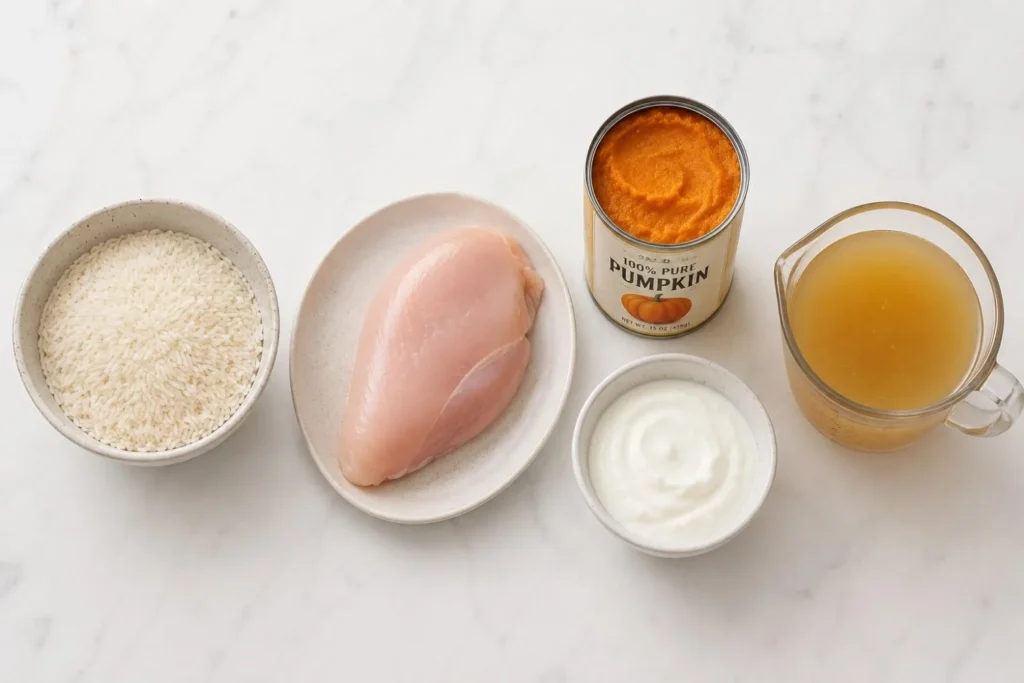
The following dog diarrhea home remedies are consistently recommended by veterinarians for mild, acute cases in otherwise healthy adult dogs. Each one works by either binding loose stool, restoring gut flora, or reducing intestinal inflammation.
1. A Temporary Fast (12 to 24 Hours)
One of the most effective first steps for mild dog diarrhea is temporarily removing food to let the digestive system settle. Keep fresh water available at all times, as hydration matters most during diarrhea. This method works best when your dog may have eaten something unusual or irritating.
Important: Do not fast puppies under four months, senior dogs, or dogs with existing health conditions without veterinary guidance.
2. Plain Cooked White Rice and Boiled Chicken
This is the most widely recommended homemade treatment for dog diarrhea, and for good reason.
White rice is easily digestible and acts as a stool binder. Boiled, skinless chicken breast provides lean protein without fat that could further irritate the gut. Prepare a ratio of roughly 2:1 rice to chicken and serve small, frequent portions rather than one large meal.
Feed this bland diet for two to three days, then gradually transition back to your dog’s regular food over the following three to four days.
3. Plain Canned Pumpkin
Canned pumpkin not pumpkin pie filling is one of the most effective natural remedies for dog diarrhea available without a prescription.
Pumpkin is rich in soluble fiber, which absorbs excess water in the intestines and firms up loose stools. Veterinary nutritionists recommend one to four tablespoons per meal depending on your dog’s size.
Always choose 100% pure pumpkin with no added sugar, spices, or salt. Look for products with pumpkin as the only ingredient.
4. Plain Boiled Potato or Sweet Potato
If you are out of rice, plain boiled white potato or sweet potato makes a solid alternative. Both are gentle on the stomach, easy to digest, and rich in potassium and electrolyte dogs lose during diarrhea.
Remove the skin, avoid any butter or seasoning, and serve in small amounts alongside boiled chicken.
Natural Remedies for Dog Diarrhea Worth Trying
Beyond the kitchen basics, several natural remedies for dog diarrhea have strong anecdotal and emerging scientific support.
Probiotics for Gut Restoration
Probiotics are live beneficial bacteria that help restore the natural balance of the gut microbiome after it is disrupted by illness, antibiotics, or stress.
Veterinary research consistently supports the use of canine specific probiotic supplements for reducing the duration of acute diarrhea in dogs. Dog specific formulas work better than human versions because they contain strains suited to a dog’s digestive system.
You can use any dog-specific probiotic supplement available at your local pet store. Some dogs also tolerate plain, unsweetened yogurt with live active cultures about one teaspoon for small dogs and one tablespoon for large dogs. However, not all dogs digest dairy well, so consult your vet if symptoms continue or worsen after giving yogurt.
Slippery Elm Bark
Slippery elm is a centuries old herbal remedy with emerging support in veterinary use. It contains mucilage, a gel like substance that coats and soothes the lining of the digestive tract.
Mix one teaspoon of slippery elm powder into a small amount of water and give it to your dog 20 minutes before meals. Most holistic vets note it can be helpful for both diarrhea and vomiting because it works on the entire gastrointestinal tract. Always consult your veterinarian before using herbal supplements, especially if your dog is on any medication or has an existing health condition.
Bone Broth
Plain, homemade bone broth (made without onions, garlic, or salt) is rich in gelatin, collagen, and amino acids that support gut lining repair.
Bone broth also provides gentle hydration which is critical since diarrhea depletes fluids rapidly. Serve it slightly warm over rice or as a drink alongside the bland diet.
Plain Boiled Eggs
Scrambled or boiled eggs cooked without butter or oil provide an easy-to-digest protein source that many dogs tolerate well during a GI upset. The high bioavailability of egg protein makes it a gentle option for a gut that is struggling to absorb nutrients efficiently. That said, some dogs react differently, so consult your vet if symptoms do not improve after introducing eggs.
How to Use Each Remedy: Step-by-Step
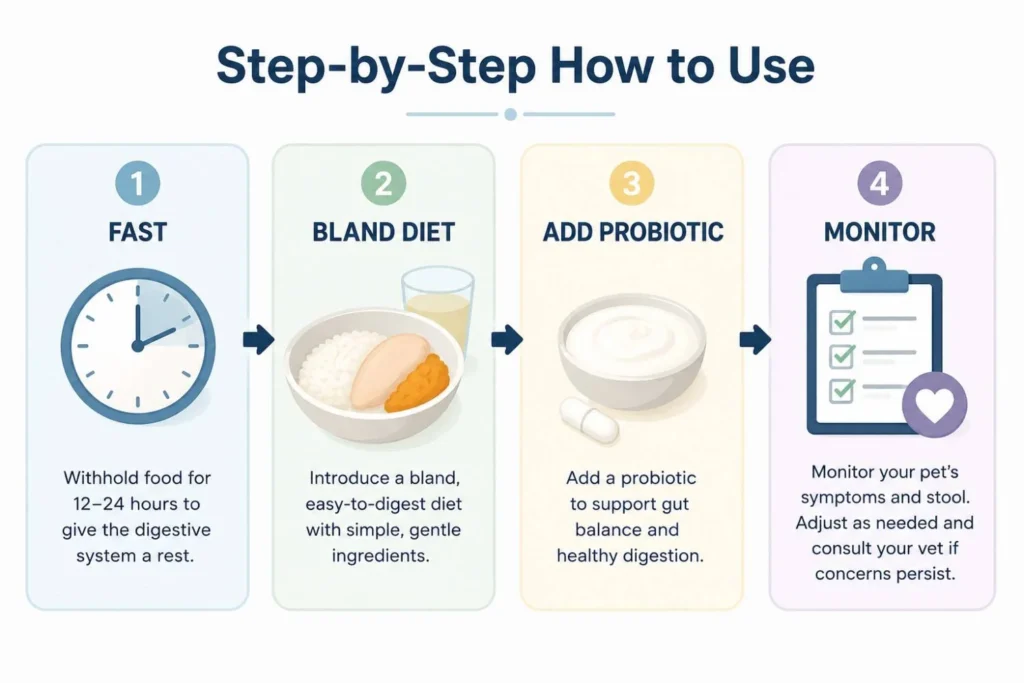
Step 1: Assess Severity First
Before reaching for any home remedy, evaluate your dog’s condition honestly:
- Is your dog still drinking water?
- Is your dog alert and responsive?
- Has diarrhea lasted fewer than 48 hours?
- Is there no blood in the stool?
- Does your dog have no other symptoms (vomiting, lethargy, fever)?
If you can answer yes to all five, home remedies for diarrhea are a reasonable starting point.
Step 2: Begin the Fasting Period
Remove food for 12 hours (adults only). Make fresh water available at all times. Watch for signs of dehydration: dry gums, sunken eyes, skin that does not spring back when gently pinched.
Step 3: Introduce the Bland Diet
After the fasting period, start with small portions of white rice and boiled chicken or plain pumpkin. Feed three to four small meals rather than one large one.
Add a probiotic to the first meal if you have one on hand.
Step 4: Monitor and Transition
Within 24 to 48 hours, most mild cases show significant improvement. If stools are firming up, gradually reintroduce your dog’s regular food over three to four days by mixing increasing amounts with the bland diet.
If there is no improvement after 48 hours, contact your veterinarian.
Home Remedy Comparison Table
| Remedy | Best For | Ease of Preparation | Time to See Results | Vet Recommendation Level |
| White rice + boiled chicken | Mild to moderate diarrhea | Easy | 12 to 24 hours | Very High |
| Plain canned pumpkin | Loose stools, fiber deficiency | Very Easy | 12 to 24 hours | Very High |
| Probiotics | Post-antibiotic, stress diarrhea | Easy | 24 to 48 hours | High |
| Slippery elm bark | GI inflammation, chronic irritation | Moderate | 24 to 36 hours | Moderate |
| Bone broth | Hydration + gut support | Moderate | Supportive only | High |
| Fasting | Dietary indiscretion | Very Easy | 12 hours | Very High |
| Plain boiled egg | Protein support during recovery | Easy | Supportive only | Moderate |
| Plain sweet potato | Rice alternative, potassium replenishment | Easy | 12 to 24 hours | Moderate |
When Home Remedies Are Not Enough
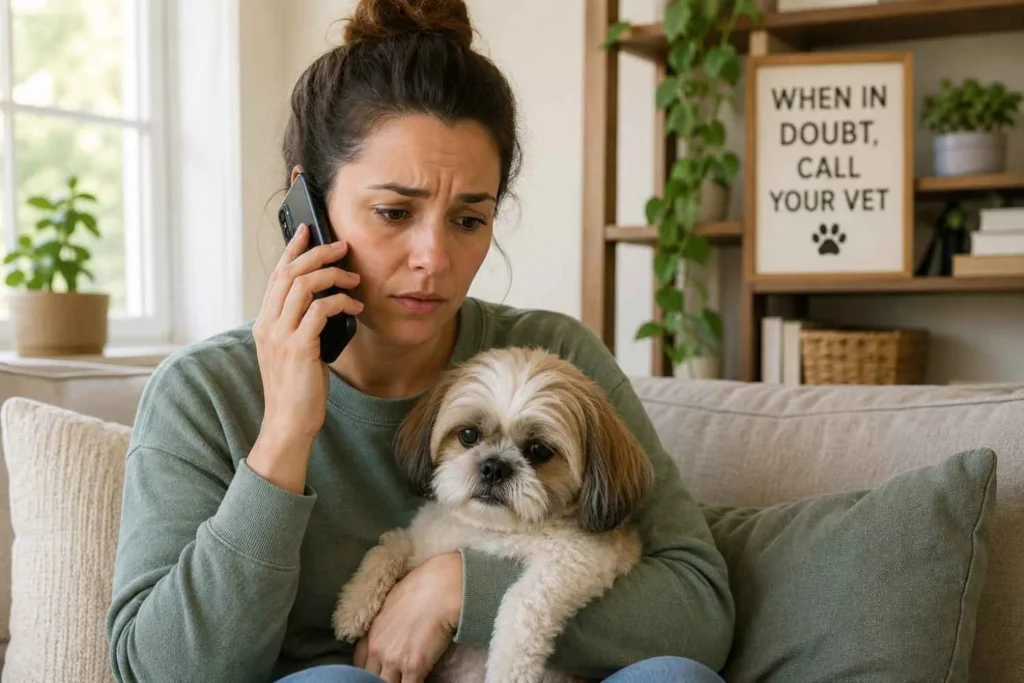
Home remedies for dog diarrhea are appropriate for mild, short duration cases. They are never a substitute for professional veterinary care when serious warning signs are present.
Red Flag Symptoms That Require Immediate Vet Attention
Call your veterinarian immediately if your dog shows any of the following:
- Blood in stool (bright red or black and tarry)
- Diarrhea lasting more than 48 to 72 hours despite home treatment
- Vomiting combined with diarrhea (risk of rapid dehydration)
- Signs of dehydration: lethargy, dry or tacky gums, reduced urination
- Fever above 104°F (40°C)
- Known ingestion of a toxic substance or foreign object
- Diarrhea in a puppy under 12 weeks (can become life-threatening quickly)
- Your dog is a brachycephalic breed, senior dog, or has a known health condition
The Dehydration Risk Nobody Talks About
Most guides focus on the diarrhea itself. What they miss is the dehydration risk especially in small dogs and puppies.
A dog that loses 5% of its body weight in fluids begins showing clinical signs of dehydration. At 10% fluid loss, the situation becomes a medical emergency. Always ensure your dog is drinking during any episode of diarrhea, and consider an oral electrolyte supplement formulated for dogs if drinking seems reduced.
Conclusion
When your dog has diarrhea, the right home remedy can make a real difference and you likely already have everything you need. Plain white rice with boiled chicken, pure canned pumpkin, a brief fast, and a quality probiotic are the four pillars of effective home management for mild cases.
Three key takeaways to remember:
- Always confirm your dog is drinking water dehydration is the real risk with diarrhea.
- Most mild cases resolve within 48 hours on a bland diet combined with one of the natural remedies covered in this guide.
- Home remedies only work for mild cases. If your dog is not improving or symptoms get worse after a couple of days, it’s best to see a vet.
If your dog’s case is more complex or you want a full understanding of what home remedy can give my dog for diarrhea relief versus what requires medical treatment, explore our complete guide to how to treat diarrhea in dogs. It is the most thorough resource we have built on this topic and it will answer every question you still have.
FAQ: People Also Ask
What home remedy can I give my dog for diarrhea right now?
The fastest, safest option is plain cooked white rice with boiled skinless chicken. This bland combination is easy to digest and helps firm loose stools within 12 to 24 hours. You can also add one to four tablespoons of plain canned pumpkin, which provides soluble fiber to bind the stool.
How much pumpkin should I give my dog for diarrhea?
Give one teaspoon for dogs under 10 pounds, one to two tablespoons for medium dogs (10 to 50 pounds), and two to four tablespoons for large dogs over 50 pounds. Use only 100% pure canned pumpkin, never pumpkin pie filling, which contains sugar and spices harmful to dogs.
Can I give my dog human anti-diarrheal medicine?
Most over the counter stomach medicines made for humans are not recommended for dogs. Some contain ingredients that can be harmful in higher doses or toxic to certain breeds. Always consult your vet before giving any human medication to your dog. Food based home remedies are the safer first step.
Should I withhold food from a dog with diarrhea?
Yes a 12 to 24 hour fast (food only, never water) helps the gut rest and recover from irritation. This is especially effective when diarrhea is caused by eating something unusual. Never fast puppies, senior dogs, or dogs with diabetes or other health conditions without veterinary guidance.
How long does dog diarrhea last with home treatment?
Most mild cases of dog diarrhea resolve within 24 to 48 hours when managed with fasting followed by a bland diet and probiotics. If diarrhea persists beyond 72 hours or worsens at any point, veterinary evaluation is necessary.
Is yogurt a good home remedy for dog diarrhea?
Plain, unsweetened yogurt with live active cultures can help restore beneficial gut bacteria particularly after a course of antibiotics. Give one teaspoon to small dogs and one tablespoon to large dogs per meal. Avoid flavored yogurt, yogurt with xylitol, or any sweetened variety.
What natural remedy helps dog diarrhea the fastest?
Plain canned pumpkin and a temporary fast are consistently the fastest-acting natural remedies for dog diarrhea. Pumpkin’s soluble fiber absorbs excess intestinal fluid quickly. Many dog owners report firmer stools within one to two meals of starting this combination.
When should I stop using home remedies and call a vet?
Stop home treatment and call your vet immediately if your dog has blood in the stool, is vomiting alongside diarrhea, shows signs of dehydration, has not improved within 48 hours, or is a puppy under 12 weeks. These signs indicate conditions that require professional diagnosis and treatment.