

Quick answer: Yes. Xylitol poisoning in dogs is a real emergency: this common sweetener triggers a rapid insulin release that can crash a dog’s blood sugar within 30 minutes, causing vomiting, weakness, seizures, and even liver failure. If your dog ate anything containing xylitol, call your vet or an emergency clinic immediately and do not wait for symptoms to appear.
Contents
- Is xylitol bad for dogs?
- What should I do if my dog ate xylitol?
- Is peanut butter with xylitol safe for dogs?
- Related Guides
- Frequently Asked Questions
Is xylitol bad for dogs?
Yes, xylitol is extremely toxic to dogs. Xylitol is a sugar alcohol used as a low-calorie sweetener in gum, candy, baked goods, toothpaste, and some sugar-free peanut butters. It is also called birch sugar, because it was originally derived from birch bark, and it looks and tastes just like regular sugar. In people it is harmless, but in dogs it sets off a rapid insulin release from the pancreas that drives blood sugar to dangerously low levels.
That crash in blood sugar, a condition called hypoglycemia, can begin within 15 to 30 minutes of ingestion. Early signs include vomiting, weakness, stumbling, and lethargy. Larger amounts can cause seizures, collapse, and acute liver failure, which can be fatal. There is no antidote, so survival depends on how fast a veterinarian starts treatment.
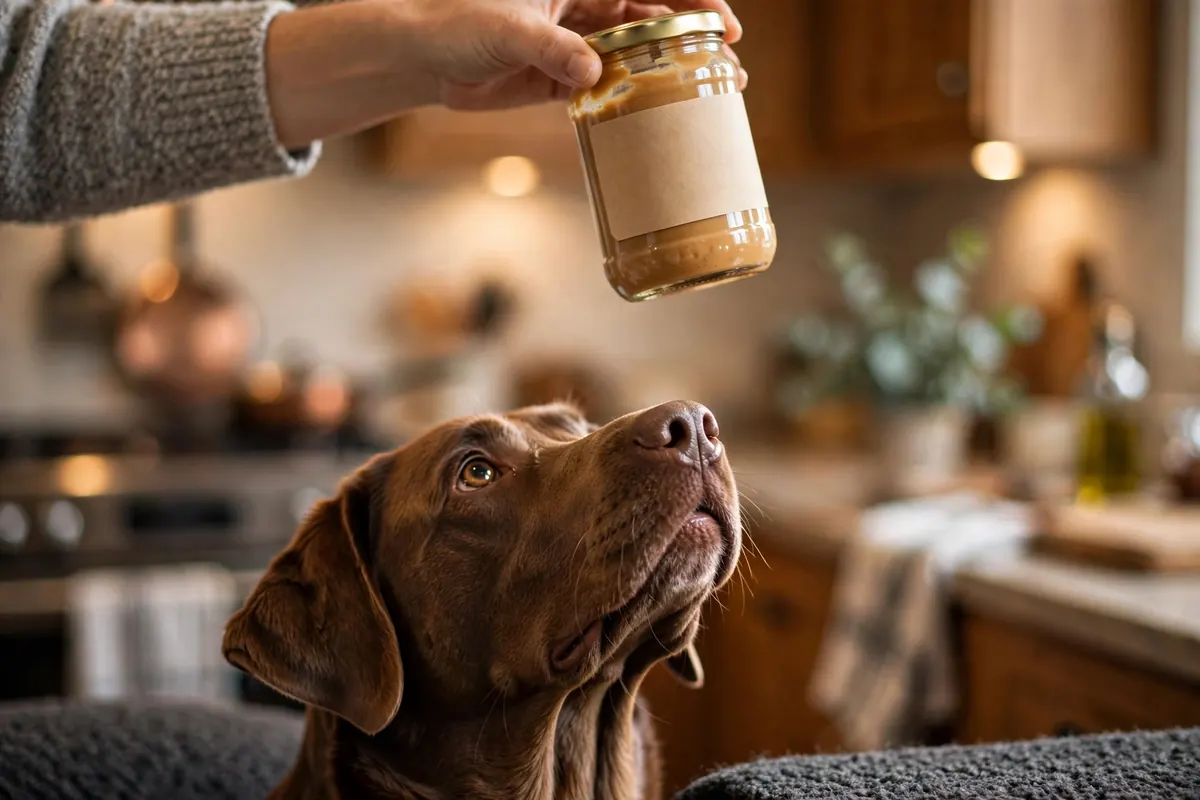
The dose makes the poison. As little as 100 milligrams of xylitol per kilogram of body weight can trigger dangerous low blood sugar, and doses around 500 milligrams per kilogram have been linked to liver failure. For a small dog, that can mean just a few sticks of xylitol-sweetened gum or a small spoonful of contaminated peanut butter. According to the ASPCA Animal Poison Control Center, reported cases of xylitol poisoning in dogs more than doubled over the years it has been tracking them (NC State College of Veterinary Medicine).
Xylitol hides in more places than most owners realize. Scan your home for these common hiding spots:
- Sugar-free gum, mints, and candy (the most common source)
- Sugar-free peanut butter and protein nut butters
- Baked goods, protein bars, and sugar-free desserts
- Toothpaste, mouthwash, and dental chews
- Cough syrups, chewable vitamins, and some melatonin products
- Nasal sprays and other over-the-counter products labeled sugar-free

What should I do if my dog ate xylitol?
If your dog ate xylitol, treat it as an emergency. Remove any remaining product. Note exactly what and how much was eaten. Then call your vet or an emergency vet clinic immediately. Do not wait for symptoms, and do not try to induce vomiting or give home remedies unless your veterinarian specifically tells you to. Quick professional treatment can save your dog’s life.
Follow these steps in order, and move fast:
- Stop further access. Take the product away. Keep your dog from finding more of it.
- Grab the packaging. Bring it with you. The vet can read the ingredient list and estimate the dose.
- Call your vet now. Phone your regular vet or the nearest emergency vet clinic. Tell them it is suspected xylitol ingestion.
- Call poison control if your vet is unavailable. The Pet Poison Helpline at 1-800-213-6680 can guide you. A fee may apply.
- Head to the emergency vet. Go immediately. Treatment may include blood sugar monitoring, IV dextrose, liver support, and overnight observation.
- Do not improvise. Wrong home treatment can make things worse. Rubbing corn or maple syrup on the gums is only a stopgap if a vet advises it (ASPCA Pet Health Insurance).

Knowing the symptoms timeline helps you judge urgency. Keep in mind that some dogs absorb xylitol slowly and signs may take hours to appear. Never assume you are safe because your dog still looks fine.
| Time After Ingestion | What You May See |
|---|---|
| 15 to 30 minutes | Vomiting, weakness, wobbling or stumbling |
| 30 to 60 minutes | Lethargy, loss of coordination, disorientation |
| 1 to 12 hours | Collapse, tremors, seizures, coma |
| 24 to 72 hours | Signs of liver failure: loss of appetite, yellow gums or eyes, dark urine, bleeding problems |
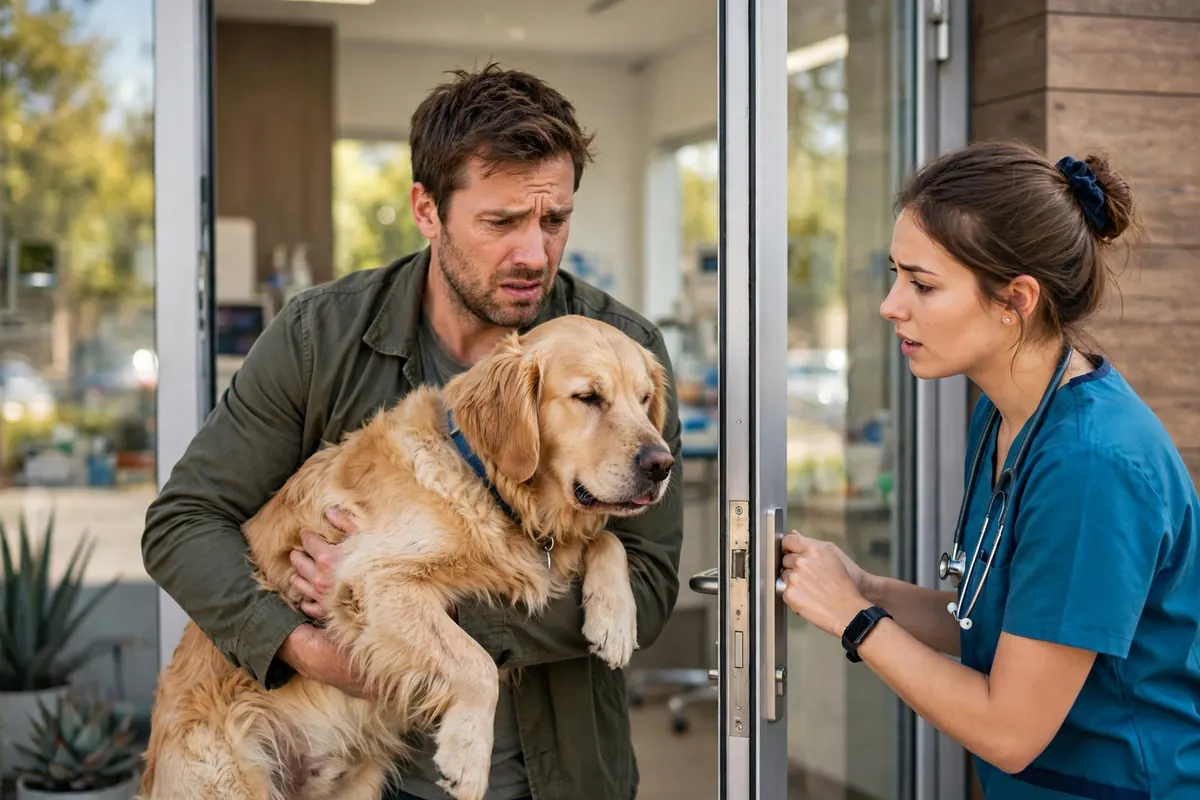
At the clinic, your vet will likely draw blood to check glucose and liver values. They will start IV fluids with dextrose to stabilize blood sugar. Your dog may stay under observation for 12 to 72 hours depending on the dose. With fast treatment, many dogs recover fully from the low-blood-sugar phase. The liver phase is the dangerous one, which is why large ingestions need monitoring even if the dog seems to bounce back quickly.
Is peanut butter with xylitol safe for dogs?
No, peanut butter with xylitol is never safe for dogs. Plain peanut butter is a fine occasional treat, but the sugar-free and low-calorie versions sometimes swap sugar for xylitol, which makes them dangerous. These jars look identical to regular peanut butter on the shelf, so the only reliable protection is reading the ingredient list every single time you open a new jar.
When you read a label, look beyond the word “xylitol” itself. Manufacturers can list it under names that all contain the letters “xyl”, such as xylite, xylitylglucoside, and anhydroxylitol. Any product marketed as sugar-free, no sugar added, low sugar, or diabetic-friendly deserves an extra careful check. If you see any of those sweetener names, keep it away from your dog entirely.

Several protein-style and specialty nut butters have been reported to contain xylitol, including brands like Go Nuts Co., Krush Nutrition, Nuts ‘N More, and P28 Foods (Rover). Formulations change, so treat any brand list as a starting point for your own label check, not a guarantee.
Safe peanut butter brands for dogs are simply the ones with the shortest ingredient lists. The gold standard is a jar that lists only peanuts (and sometimes a little salt). Follow these rules and peanut butter stays a safe treat:
- Choose peanut butter whose ingredients show only peanuts, with no artificial sweeteners.
- Avoid anything labeled sugar-free, reduced sugar, or no sugar added.
- Re-check the label when you buy a new jar, since formulas change without warning.
- Keep even safe peanut butter to occasional treat amounts: it is calorie dense.
- Store suspect products high up or in sealed containers so a counter-surfing dog cannot reach them.
Related Guides
- Puppy Diarrhea: What’s Normal and What’s an Emergency
- Dog Throwing Up? 12 Causes Ranked by Urgency
- Why Is My Dog So Itchy? 10 Common Causes
Frequently Asked Questions
How much xylitol is toxic to a dog?
As little as 100 milligrams per kilogram of body weight can cause a dangerous blood sugar crash, and around 500 milligrams per kilogram has been linked to liver failure. For a 10-pound dog, that means a few sticks of xylitol gum or a small amount of contaminated peanut butter may be enough. Smaller dogs face greater danger at lower doses.
How fast does xylitol poisoning start in dogs?
Symptoms of xylitol poisoning in dogs often begin within 15 to 30 minutes, starting with vomiting and weakness. However, some dogs absorb xylitol slowly, so signs can take several hours to appear. This delay is dangerous because owners may assume nothing happened. Always get veterinary help immediately rather than waiting to see what develops.
Can dogs eat regular peanut butter?
Yes, plain peanut butter without xylitol or other artificial sweeteners is a safe occasional treat for most dogs. Look for jars that list only peanuts (plus salt, optionally) and avoid sugar-free, reduced-sugar, or protein-boosted versions. Keep portions small since peanut butter is high in calories and fat.
What is xylitol also called on ingredient labels?
Xylitol may appear as birch sugar, wood sugar, or E967 in some countries. Watch for any ingredient containing the letters “xyl”, such as xylite, xylitylglucoside, or anhydroxylitol. Products labeled sugar-free, no sugar added, or low sugar are the most likely to contain it, so read those labels with extra care.
Will my dog recover from xylitol poisoning?
Many dogs recover fully when treated quickly, especially from the low-blood-sugar phase. The outlook worsens with larger doses and delayed treatment, because liver failure can develop 24 to 72 hours later. There is no antidote, so aggressive early veterinary care and careful monitoring give your dog the best chance.
This guide is for informational purposes and doesn’t replace professional veterinary advice.